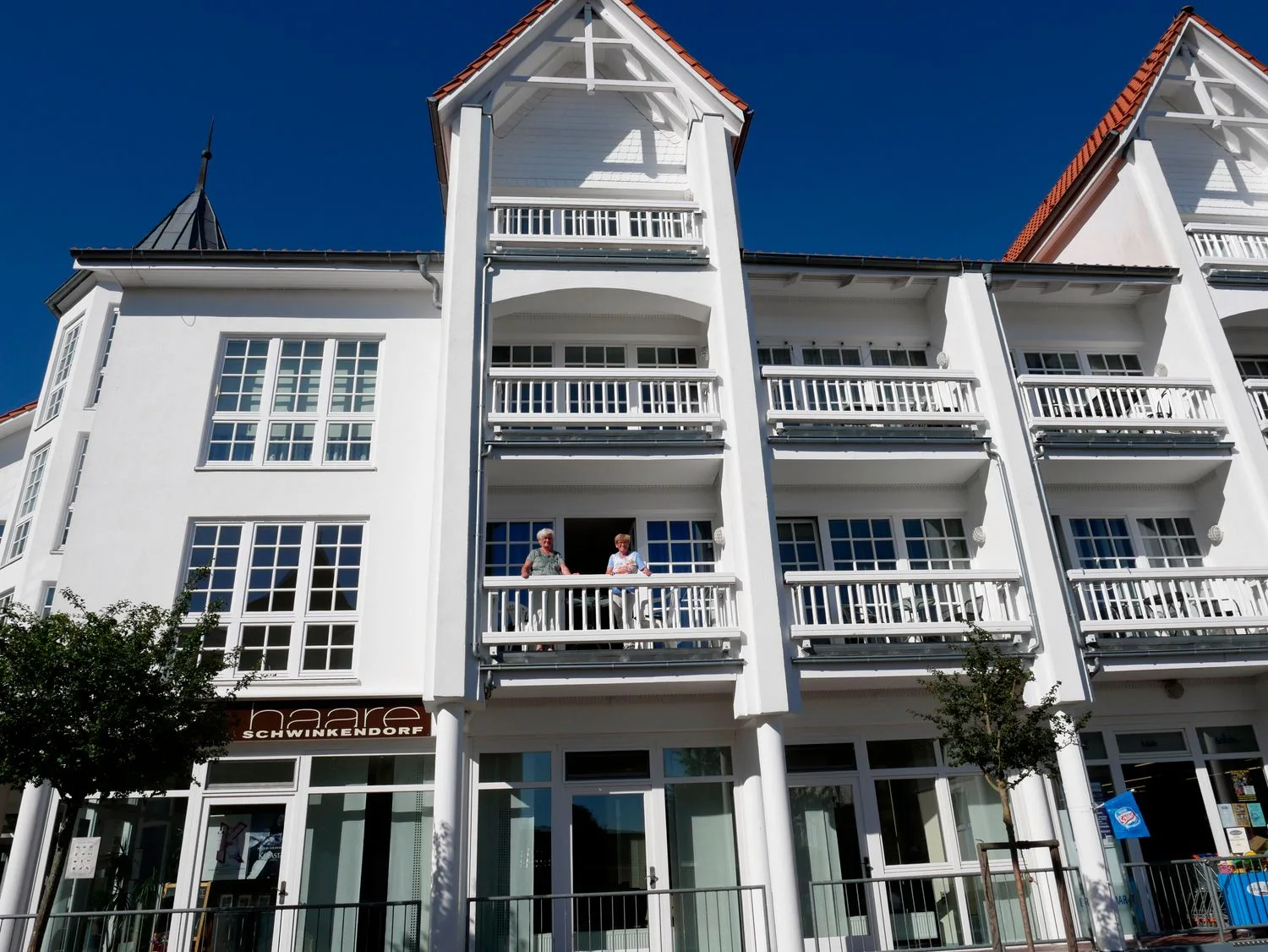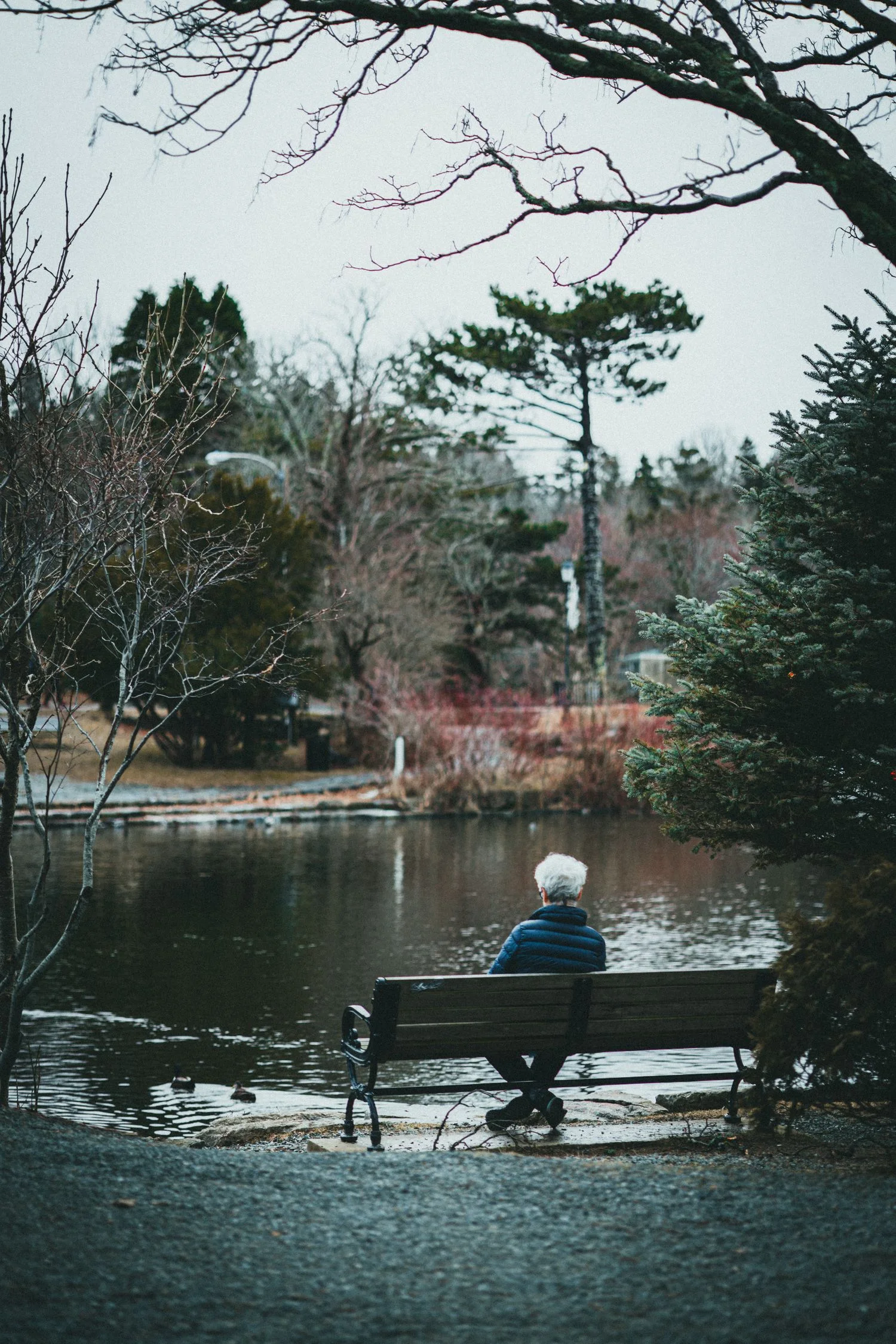
A Baltic holiday with less walking does not require the shortest possible list of attractions. It requires routes whose distance, surface and opportunities to stop match your needs. A claim such as “just a few minutes from the beach” is often too vague. The complete route begins at the room door and ends at a place where you can actually spend time.
Describe the requirement precisely
Consider what limits the journey: total distance, prolonged standing, slopes, steps, uneven ground or a lack of breaks. These differences lead to different questions for accommodation providers. A short stretch of soft sand may be more demanding than a longer firm path with seating.
Write requirements in observable terms. Rather than asking only about “easy access”, ask about lifts, entrance steps, distance from parking and the surface leading to the promenade. If using a mobility aid, establish relevant dimensions and turning spaces. A general promise of comfort cannot answer these questions.
Choose accommodation and beach access together
Identify a specifically suitable entrance, then look for accommodation around it. This can work better than choosing an attractive room first and searching for a usable route to the water afterwards. Establish where you can pause at the beach or promenade too.
Reisen für Alle provides detailed accessibility information, including doors, steps, ramps and lifts. Such information can support selection. Check which areas have been assessed and whether the details match your needs. A designation addressing particular requirements does not mean every possible use is equally suitable.
Ask the accommodation about the entire route from the arrival point to the room. A lift inside is of little help if an unsuitable staircase must be crossed first. Similarly, distant parking can add substantial walking even when the room itself has suitable facilities.
Divide the day into short, independent sections
A morning might consist of a short route to the water, a long seated break and a direct return. Add a second small outing in the afternoon if wanted. This is easier to adjust than a large circuit whose remaining half still lies ahead when energy declines.
Choose destinations with a clear way to shorten the outing. An out-and-back route often allows an earlier turn. A linear walk instead requires a dependable return connection. For bus or rail travel, check both the walk to the stop and the accessibility of the service; using transport does not automatically remove every pedestrian section.
Companions can agree on different distances. One person takes a longer walk while another stays at a pleasant meeting place. This requires reliable contact and a specific arrangement. Nobody should wait somewhere unsuitable simply so the group can complete the same route.
Keep reserves where they matter
Construction, lift outages or altered entrances can create unexpected detours. Recheck important information shortly before visiting and keep a smaller alternative available. Resting at the accommodation is a legitimate part of the holiday, not a failed excursion.
The quality of a trip is not measured in kilometres. An accessible sea view, a meal without a long journey afterwards and a day with voluntary breaks can offer more than accommodation whose attractive setting requires constant effort to use.