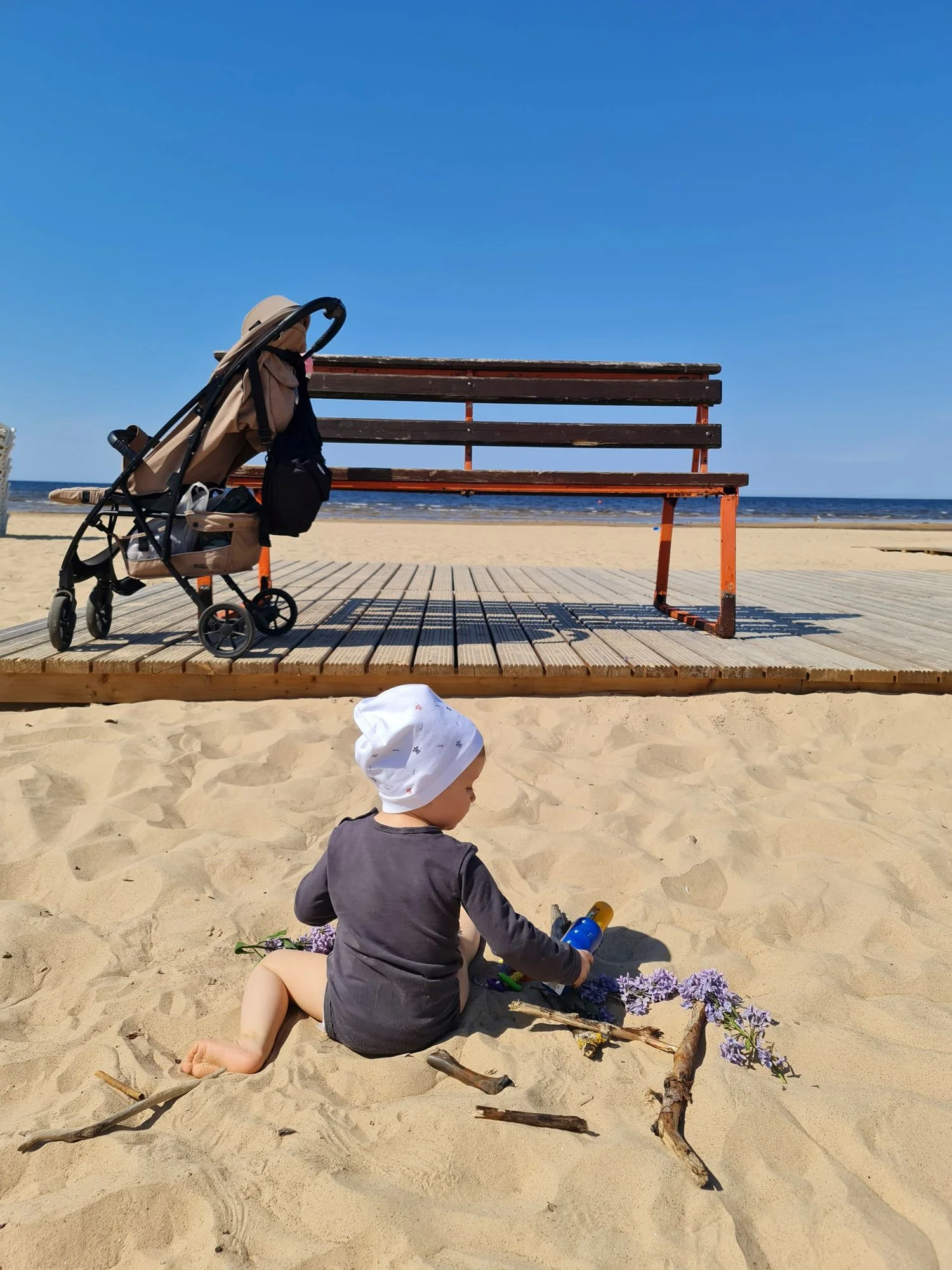
A short line on a map can be harder with a pushchair than a longer route along a smooth promenade. Sand, cobbles, steps and narrow passages change the effort considerably. For a Baltic outing, compare surfaces before comparing distances.
Break the route into sections
Check the approach from the accommodation, the main walk and the entrance to the planned destination separately. A step-free museum is less useful if a long staircase lies on the way there. Likewise, a well-made coastal path may finish at a beach crossing followed by loose sand. Photographs and current local maps add information that a route calculation alone cannot provide.
Ask specifically about firm surfaces, kerbs, gradients and construction work. “Possible with a pushchair” is a personal judgement that varies with the model and the accompanying adults. Regional accessible-route information can be useful, but read its details. Suitability for a particular mobility aid is not a blanket promise for every pushchair.
Do not make carrying the default solution
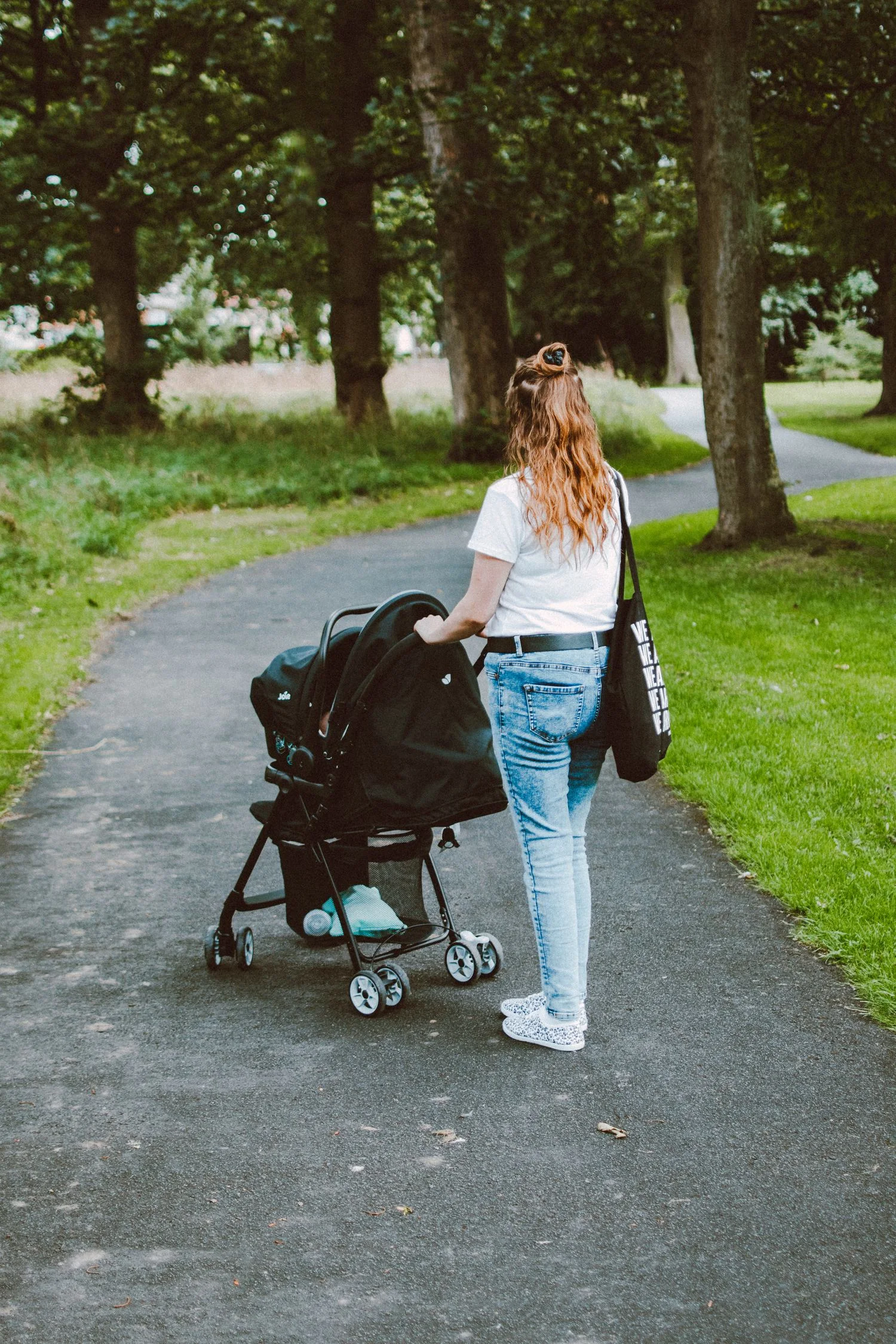
If a route depends on lifting an occupied pushchair over repeated obstacles, choosing another route is usually preferable. Safe handling depends on the manufacturer’s instructions and the situation. Avoid improvised manoeuvres on steps or immediately beside water. A short detour to an appropriate crossing is often more comfortable than the supposedly quickest connection.
Plan breaks where the pushchair can stand without blocking doors or pedestrian routes. Ask about the entrance before relying on a café stop. Bags suspended from the handle can affect handling, so follow permitted loading limits. Excess baggage makes even good paths unnecessarily demanding.
For the first walk, a manageable section with a known return option is enough. Note places that work well instead of searching for an entirely new route each day. Rain can make surfaces slippery, while wind may blow sand onto otherwise smooth paths. Adjust your assessment as you go. The useful goal is not reaching the end of the longest promenade but finding a route where the child and accompanying adults can travel without repeatedly improvising ways around obstacles. Familiarity with one reliable circuit can be especially valuable when the day’s other plans change.