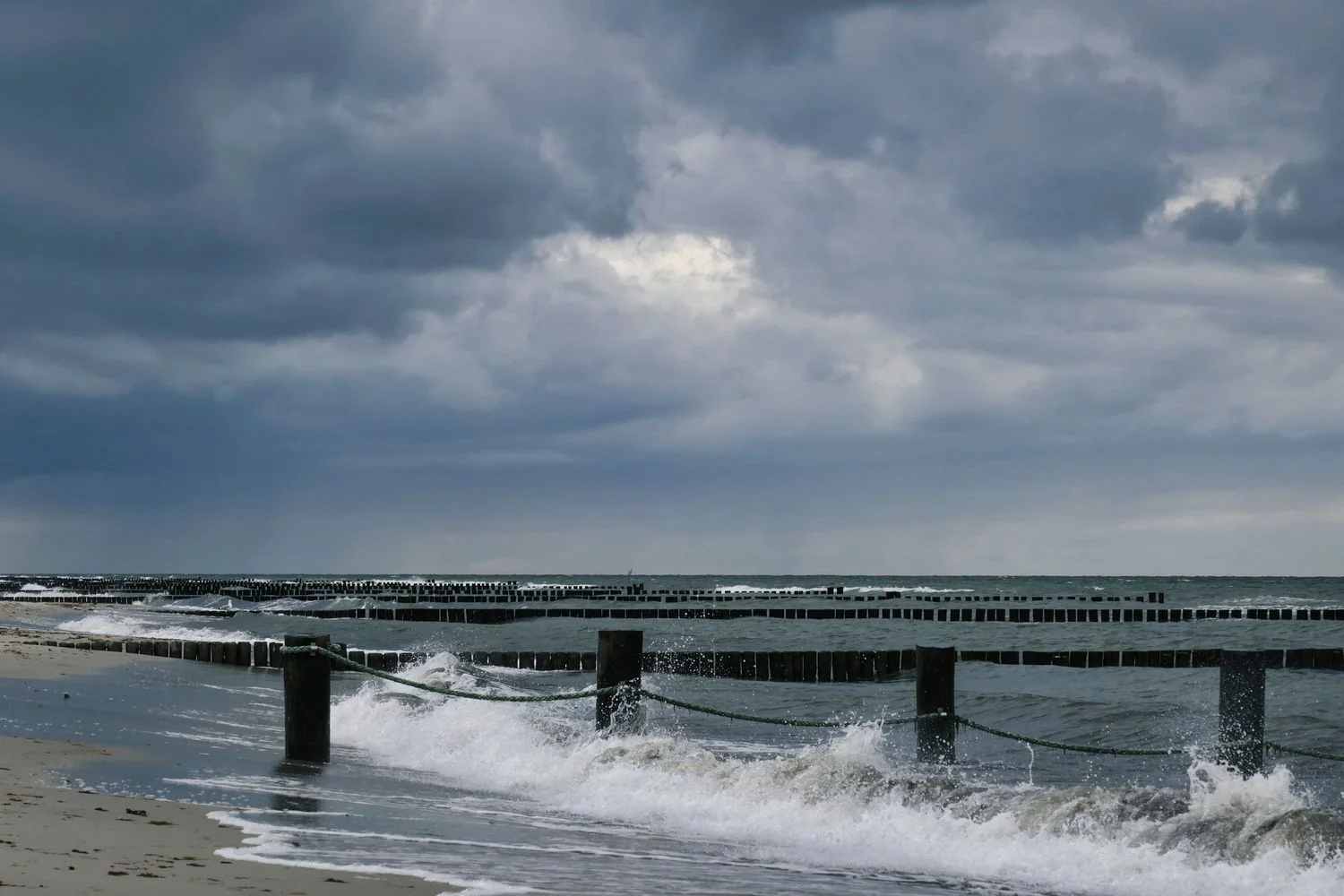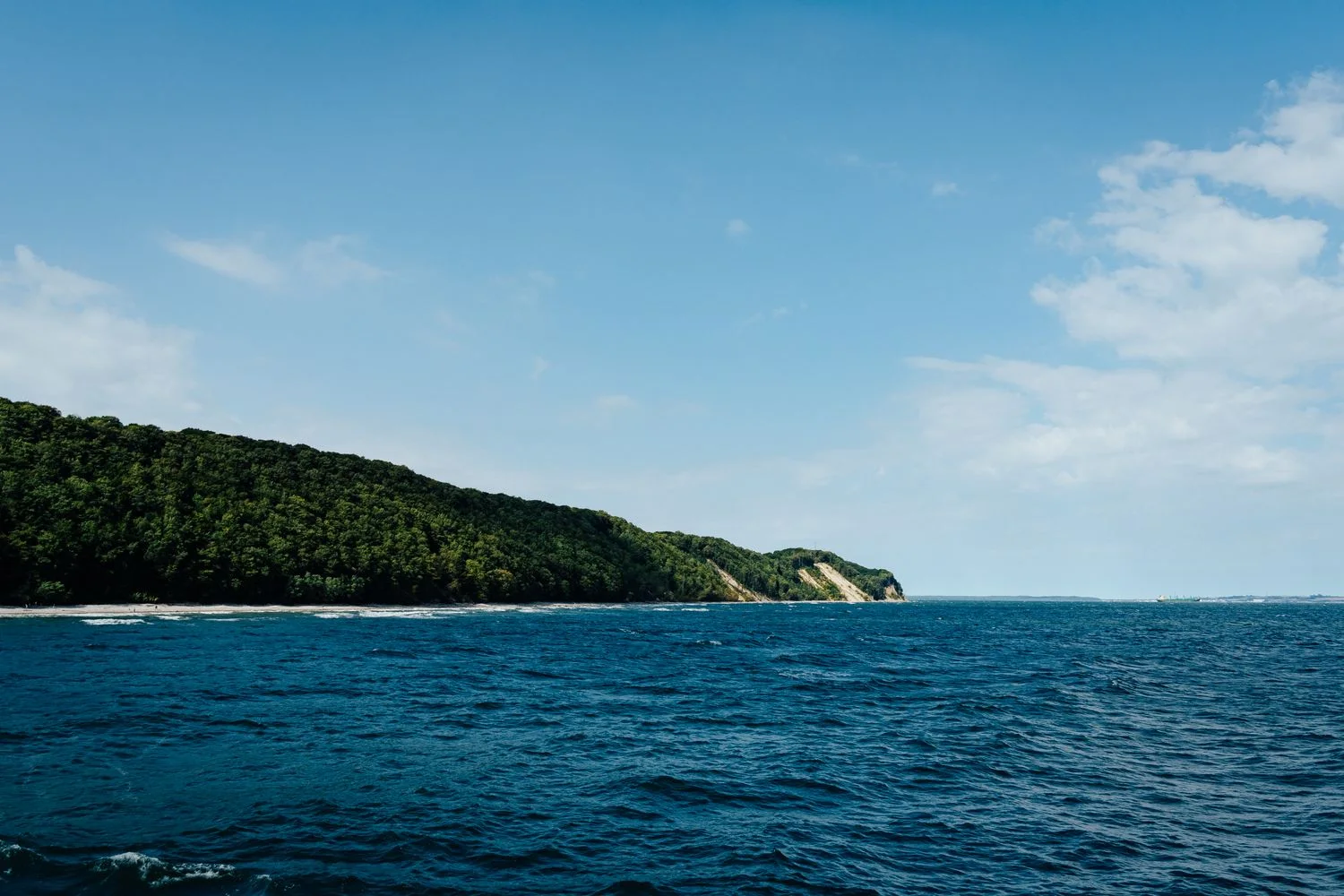
A wide sandy beach and a natural shoreline can serve quite different purposes on the same holiday. Instead of asking which beach is most beautiful, start with what you intend to do there. You may want to sit on the sand with children, take a longer coastal walk or simply spend half an hour looking at the sea.
At a sandy beach, consider more than the visible expanse of sand. Check the route from the car park or bus stop to the particular entrance. Steps, soft ground and a long approach along a promenade affect what you can comfortably carry. Accommodation described as close to the beach does not guarantee a short or step-free route to your chosen section.
Locate facilities precisely
Toilets, drinking water, food outlets and supervised swimming areas are not necessarily available at every entrance. Find them on the current local map and compare their positions with your destination. For an afternoon with small children, an appropriate entrance may matter more than finding the largest empty stretch of sand.
Conditions remain changeable even on a developed beach. Wind, water level and material washed ashore affect the usable area. The description sandy beach is not a daily guarantee of a particular surface or safe swimming conditions. Read local information and treat spending time on the shore as a separate decision from entering the water.
Visit a natural shore as a landscape
Stones, plant material and uneven ground can be part of a natural shoreline. For a walk, you need an authorised access route and footwear suited to the surface. Do not automatically expect benches, bins or a continuous path immediately beside the water.
Where an authorised path runs above the shore, it remains a reasonable way to experience the coast. Do not search for a descent through dunes or over a cliff edge because a map seems to suggest a short connection. Closures and conservation rules still apply when other visitors have already worn a path across the ground.
For a first visit, choose a clearly described entrance with a manageable return route. Carry your rubbish out and leave enough time to turn back if conditions are unsuitable. This lets you explore an unfamiliar coastal section without expecting the services of a managed bathing beach, or committing everyone in the group to a difficult walk before seeing the ground.