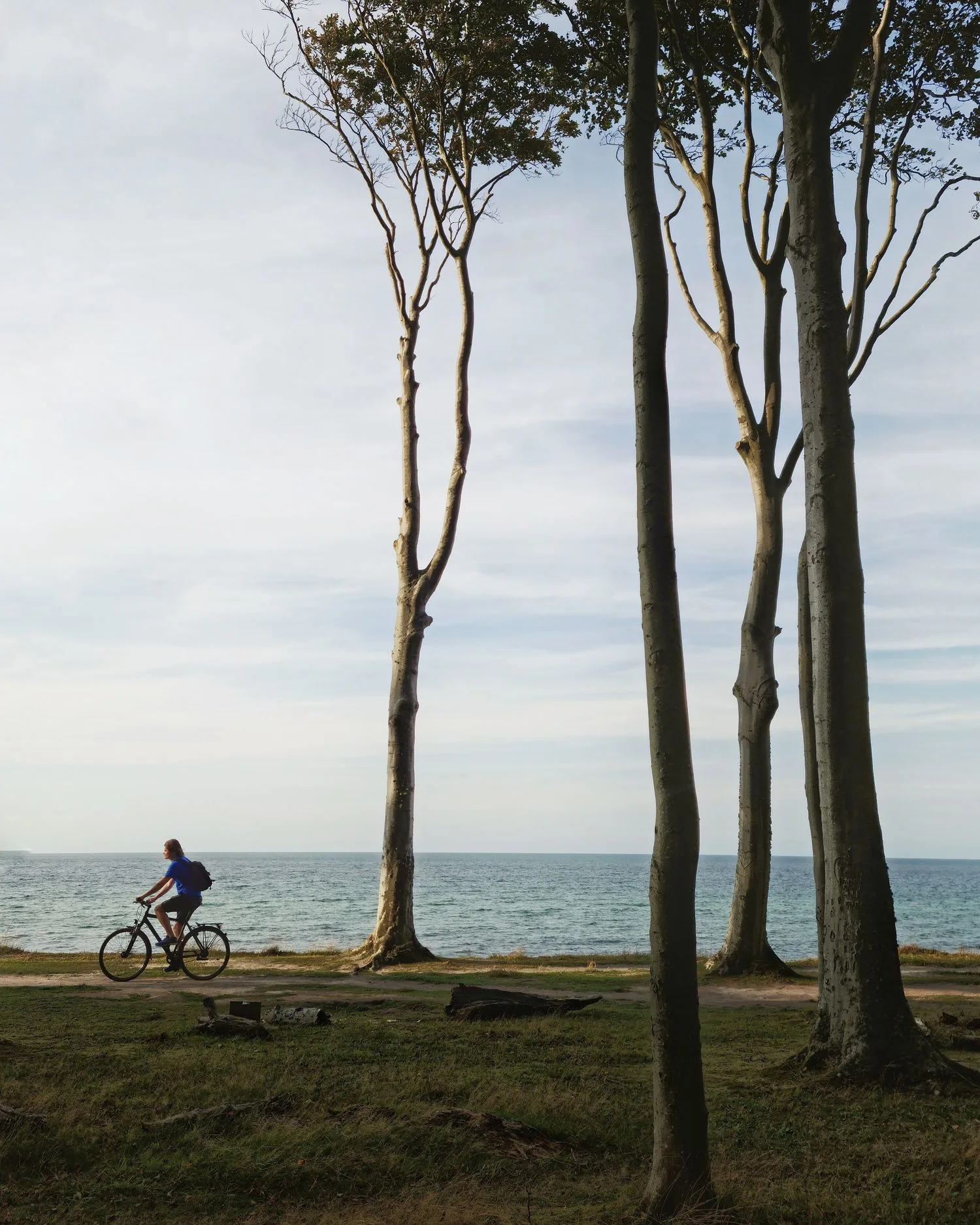
A short woodland walk can complement an exposed beach visit when the group wants variety or a light breeze feels uncomfortable beside the water. Woodland is not a sheltered substitute in every weather condition, however. Strong wind and storm damage require a different decision.
Separate pleasant variety from weather risk
In calm conditions, a forest path offers different impressions from a promenade: sounds, shade and changing vegetation. In strong wind, branches may fall and trees can come down. The national park authority explicitly advises avoiding woodland in those conditions. Choosing trees does not turn a stormy rainy day into a suitable walking day.
Check current information for the area. Post-storm closures may remain even when sunshine has returned to the resort. Do not climb over a fallen tree to continue through a closed section. Find an officially open alternative or postpone the outing.
Give a short visit a clear shape
An out-and-back walk to a recognisable point is easy to understand. A circular path works when its length and connections are known. Consider uneven ground, roots and damp surfaces. With a pushchair or mobility aid, the label “forest path” is not evidence of suitability; ask about the surface and obstacles.
Carry water and another layer even for a brief outing. A simple observation task can interest children, such as noticing different leaf shapes or listening quietly for a minute. Leave plants in place and do not pursue animals. Follow the particular route and behaviour rules in protected areas.
Think about the transition back to the rest of the day. If a beach visit follows the walk, you need an authorised entrance and enough time, with the additional distance included. The woodland outing can also stand alone. It does not have to be extended to the sea merely because the two are close together. The right combination follows conditions and available energy rather than an attempt to cover every kind of landscape in a single day.