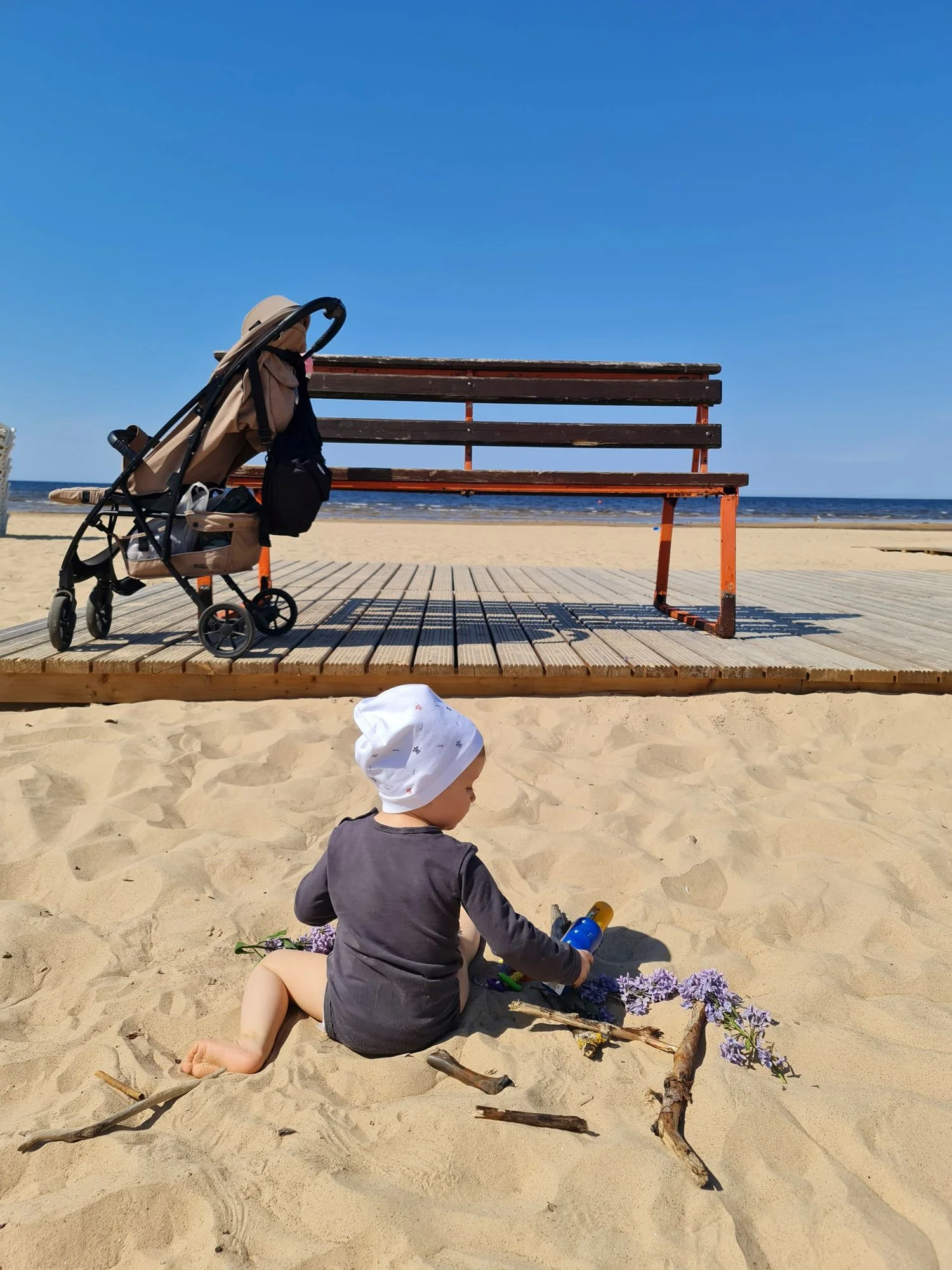
Siblings of different ages do not simply need identical beach equipment in different sizes. A toddler may play beside the blanket while an older child wants to throw a ball or build a larger sand structure. Shared luggage works when these activities fit together spatially and practically.
Pack by activity
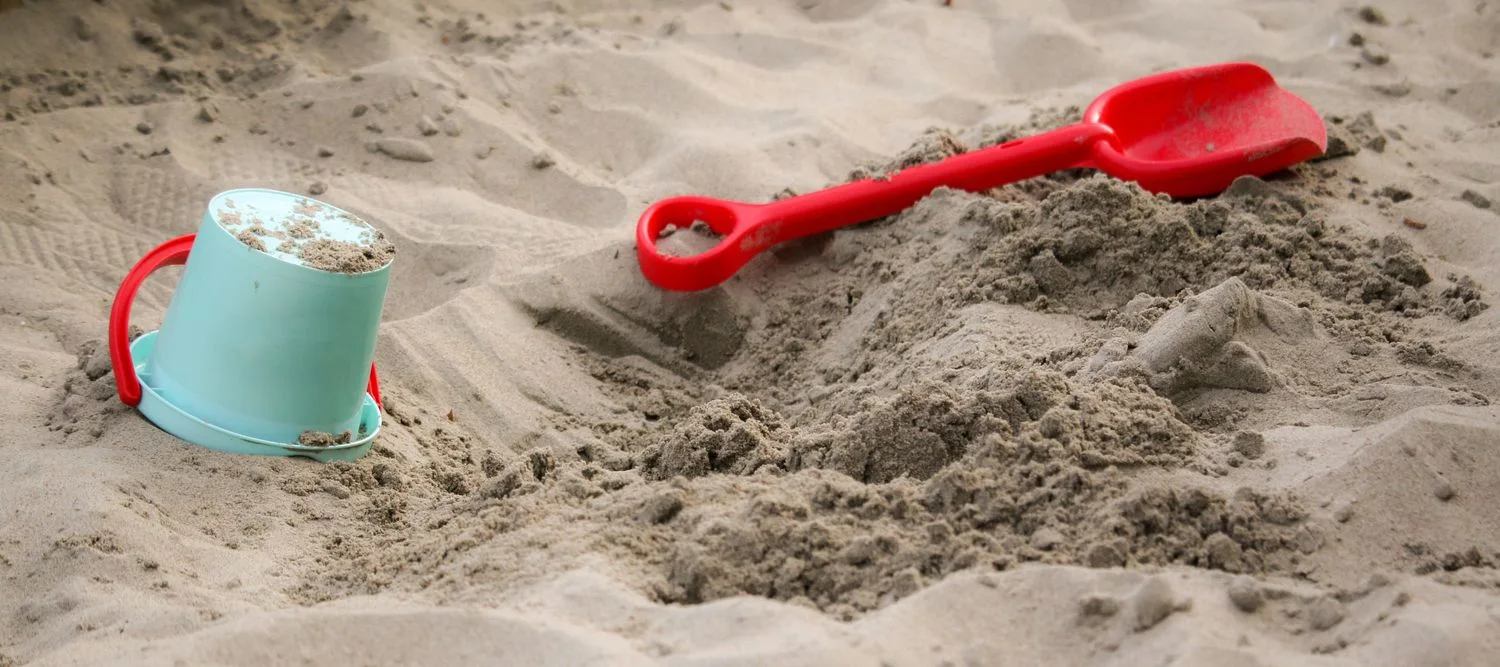
First consider what is actually likely to happen. Sand play may need one shared bucket and a few sturdy tools. A ball or flying disc is useful only where there is a permitted area with space away from other visitors. Large inflatables are not an essential part of a beach day and do not replace swimming ability or supervision.
Keep personal items distinct: suitable clothes, towels, drinking bottles and any necessary care items. An identifiable bag for each child reduces searching. Divide the load so that an adult can accompany a tired child without also carrying every heavy object. Children can take light belongings, but no more than will remain realistic on the return journey.
Keep different play areas manageable
Choose a position from which the agreed activities can be overseen. If an older child wants to play farther away, decide who accompanies them and where the boundary lies. Responsibility for a younger child should not quietly pass to a sibling. Even with several adults present, supervision beside the water needs a clearly identified person.
Plan one activity both children can enjoy without the younger always having to keep up, perhaps drawing roads in sand or making a small landscape. Each can also have an independent activity. Not every toy has to be shared, but explain the arrangement before unpacking.
Before leaving, count the small number of objects brought with you. A short list or photograph of the packed bag helps prevent pieces being left in the sand. Separate wet items from dry clothing. If substantial equipment repeatedly remains unused, reduce it next time. A well-packed beach day is measured less by the size of the luggage than by having the right items accessible and keeping the journey home from becoming a transport exercise.