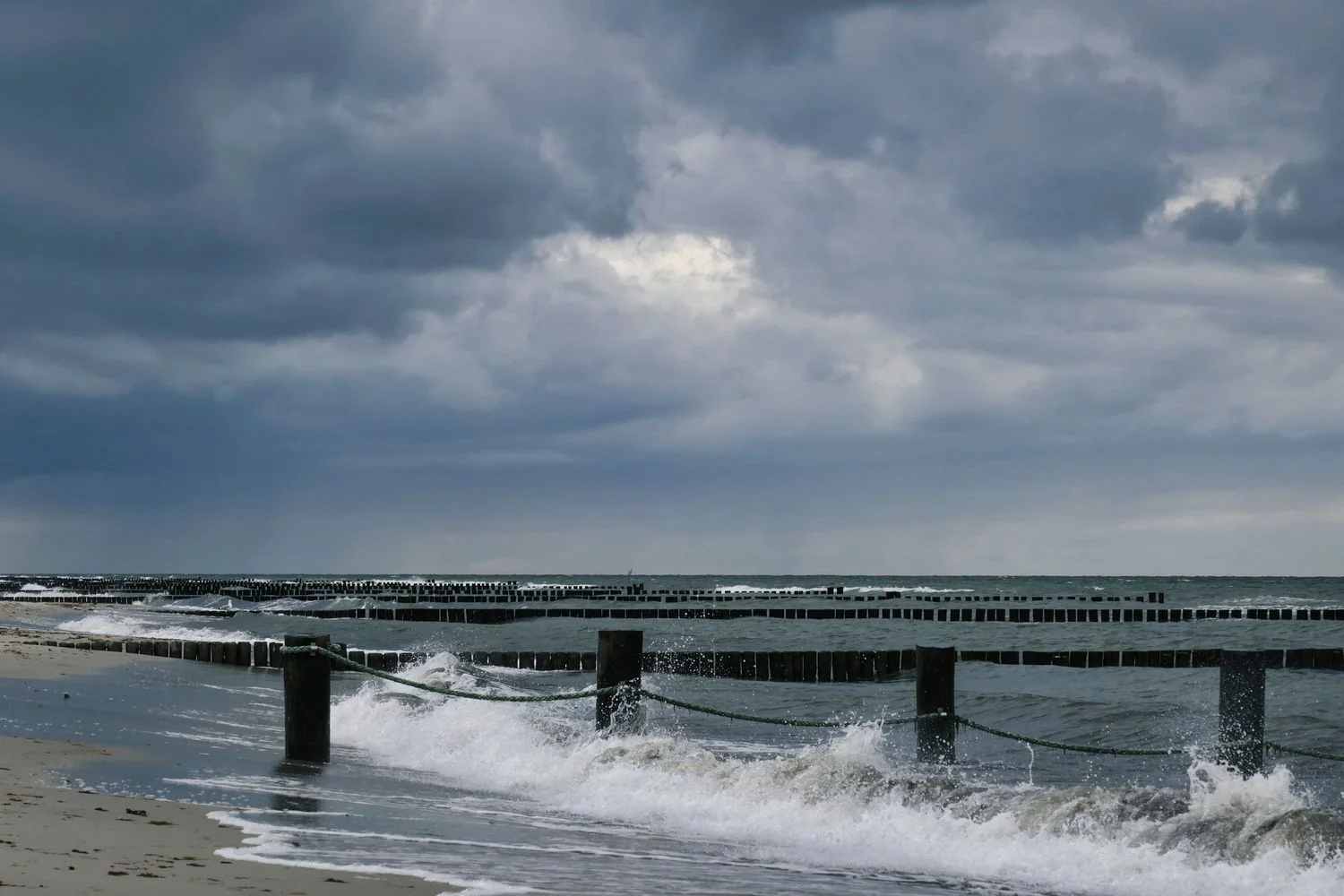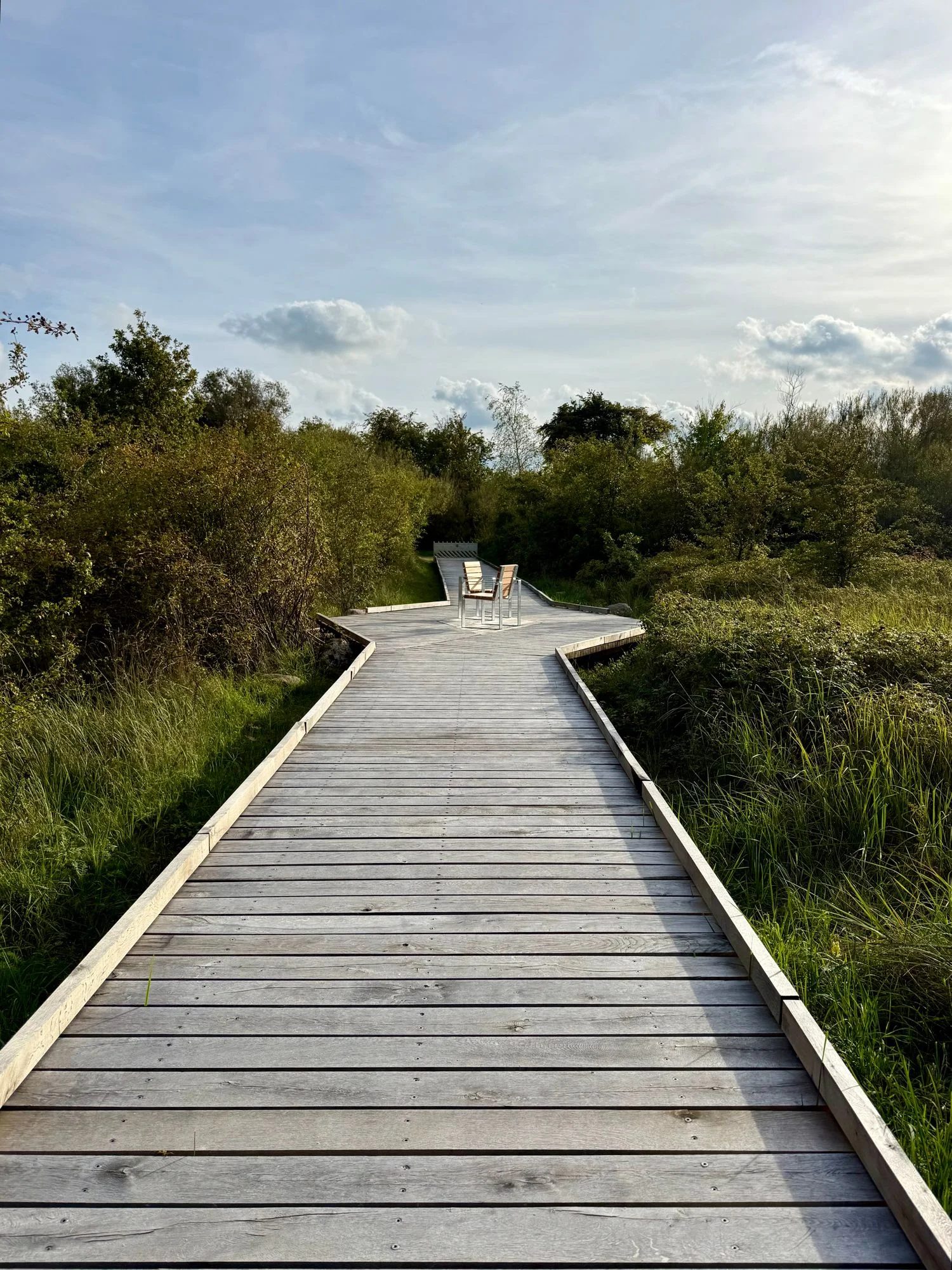
“Right by the beach” sometimes describes the position of a property rather than the route to the sand. A road, a sea defence, steps or a lengthy detour to an authorised crossing may lie between the front door and your chosen spot. If walking distance matters, select a specific beach access first and organise the rest of the outing around it.
Divide the approach into three sections
Start with the journey from the accommodation or stop to the promenade. Next comes the crossing over a dune or embankment. The third section leads from the end of that crossing to the place where you intend to sit. All three count, even when a listing quotes only the distance to the nearest point on the coast. With parking, also establish whether the short route begins at spaces you can actually use.
A map explains the alignment but may not reveal the surface. Look for photographs of the named access and information from the local tourist office. Ask about steps, gradients, firm ground and seasonal beach matting where relevant. Wheelchair users may also need width and turning-space measurements. An approach that works for somebody using a walking stick does not automatically suit another mobility aid.
Include the facilities you will need
A short approach loses some of its value if the nearest open toilet is far away. Check seating, toilets and somewhere to retreat in rain. Some destinations offer beach wheelchairs, but borrowing arrangements, collection, assistance and actual availability must be confirmed directly. An entry on a regional overview is not a reservation.
Make the first visit with light luggage. This allows you to assess whether the crossing suits your requirements without carrying a cool box and several chairs at the same time. A photograph and the access number help you find the same entrance again and give the group an unambiguous meeting point.
Think about the return journey too. Heat, wind or tiredness can make an identical distance more demanding later in the day. Agree to leave before everybody has exhausted their energy. On some days, sitting on the promenade overlooking the beach will be the most suitable option. The value of a coastal visit does not depend on placing your chair immediately beside the water, and a comfortable route is more useful than a promising distance in an advertisement.
For a specific enquiry, describe the route as a chain: parking to the crossing, then to a firm sitting place, then to the toilet. Ask which parts have a solid surface and whether facilities are seasonal. Two entrances with similar distances may perform very differently. One may have a short staircase ending immediately in sand, while the other is longer but continuously usable with wheels. Without those details, the smaller distance is not especially helpful. If assistance is necessary, establish who can actually provide it. An accessible-beach description does not mean staff are always available for transfers or pushing a beach wheelchair. Dependable arrangements matter more to the decision than a broad label.