A museum visit with children is not successful simply because every room has been covered. One object, a clearly understood story or a shared conversation may be remembered longer than a complete tour. During a holiday, deliberately limiting the scope can make the experience more rewarding.
Enter with a question
Choose a subject that interests the family: how people lived around a harbour, how a ship works or which animals belong to the coast. Look on the museum’s site for relevant galleries and children’s activities. Confirm that these are available on your date. An activity in an old holiday calendar is not a promise for the current visit.
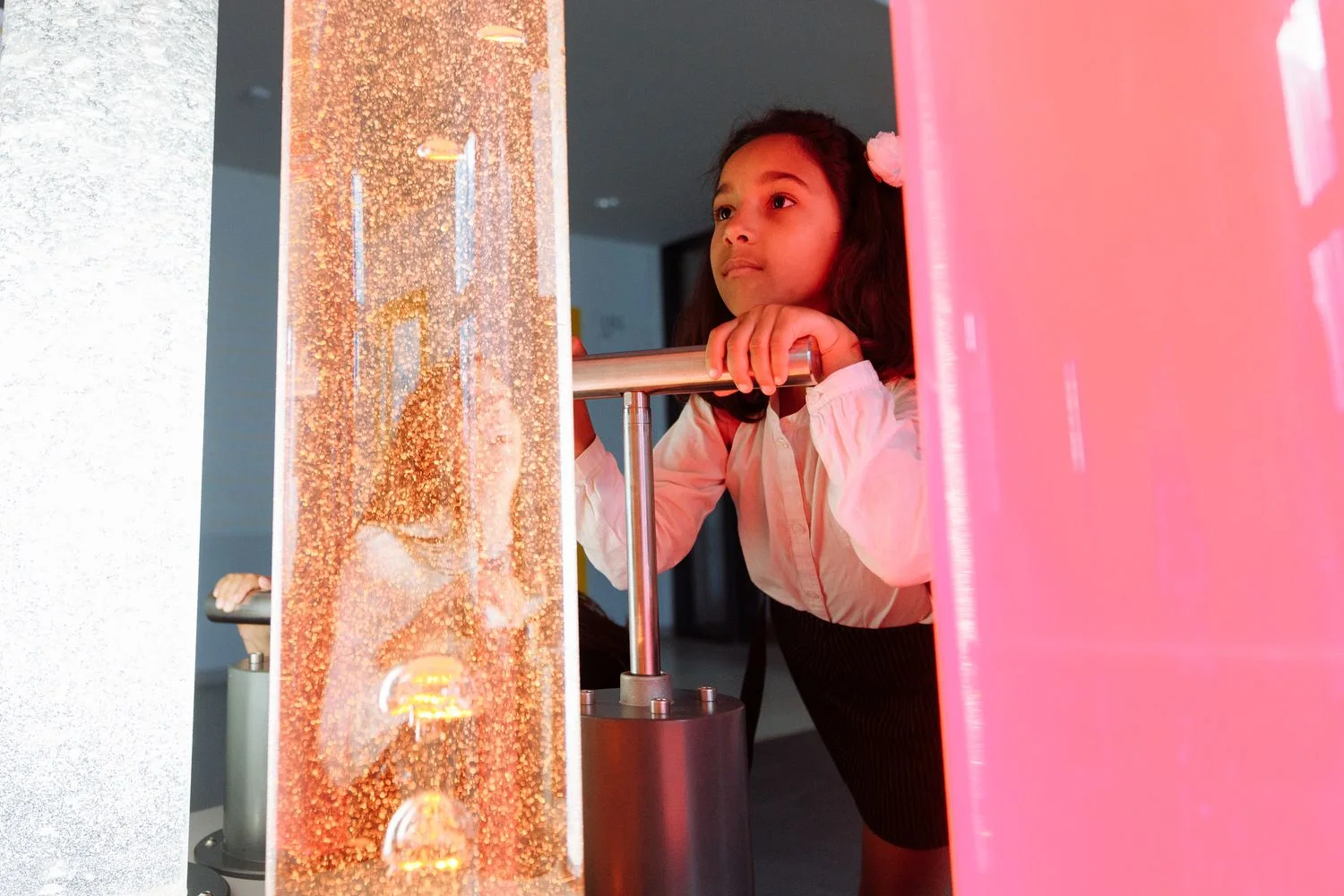
Explain the basic rules before entering. Not every apparently interactive display may be touched, and photography may be restricted. Young children benefit from an adult demonstrating how a section should be used. Older children might enjoy selecting one object that they will explain to the others afterwards.
Another room is not always the answer to tiredness
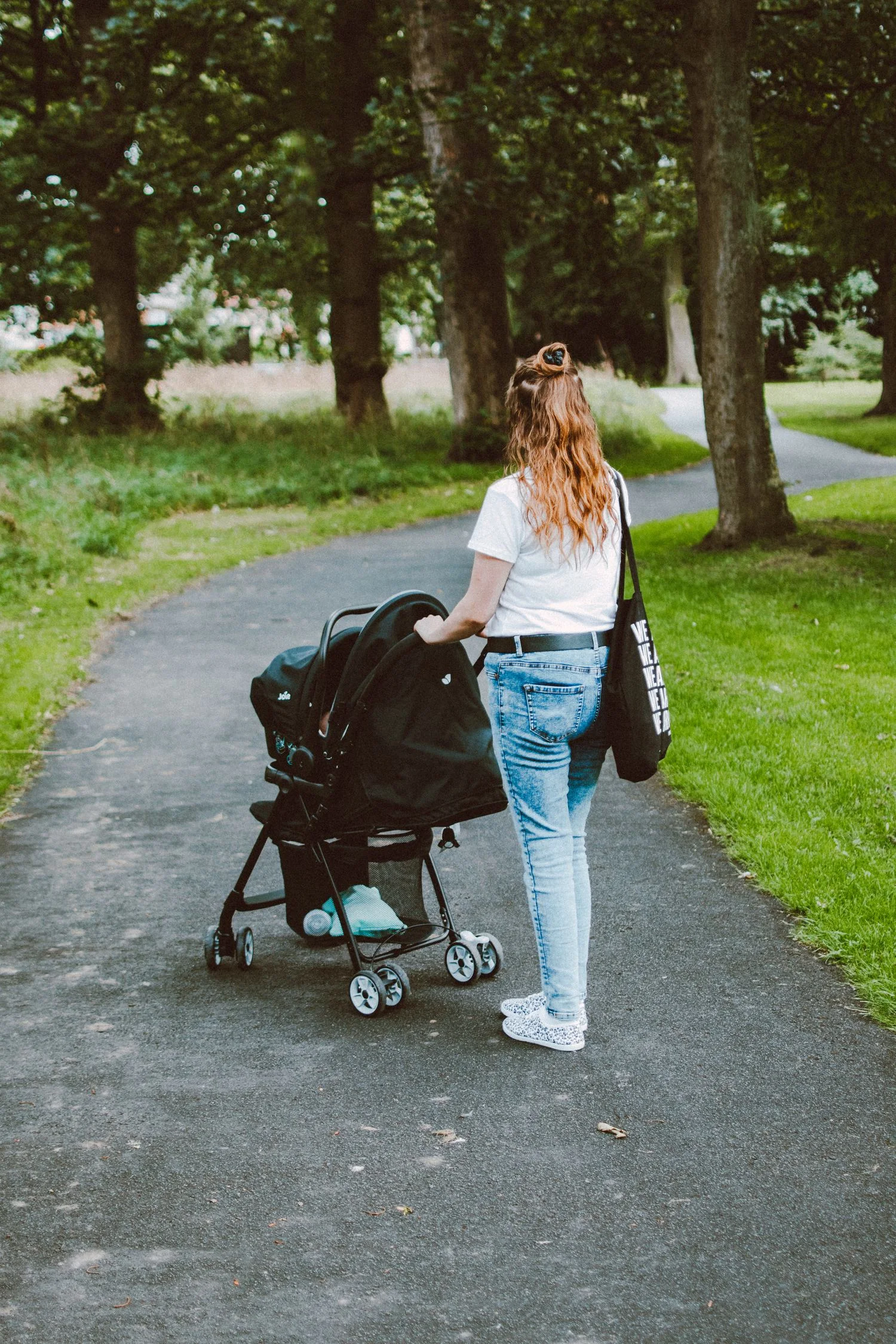
Plan a first pause before attention noticeably fades. Seating, toilets and cloakrooms matter alongside the collection. With a pushchair, establish access and storage arrangements. Large bags can make moving through galleries awkward; use designated storage where it is available.
If one section is particularly interesting, spend longer there and omit another. An admission ticket is not an instruction to read every label. Avoid pulling a child from station to station merely because a printed route shows that sequence. Finishing earlier can preserve enthusiasm for a future museum visit.
After leaving, one short question is enough: what surprised you? Anyone interested can draw the chosen object or look for a connection during the next walk. A harbour town often provides visible links to maritime displays without requiring a second paid attraction. Keep the rest of the day manageable. The museum can then remain an experience in its own right rather than the first stage of a long programme whose interesting details are forgotten by the end. A small amount of attention given well is more useful than rushing through rooms to complete a checklist.