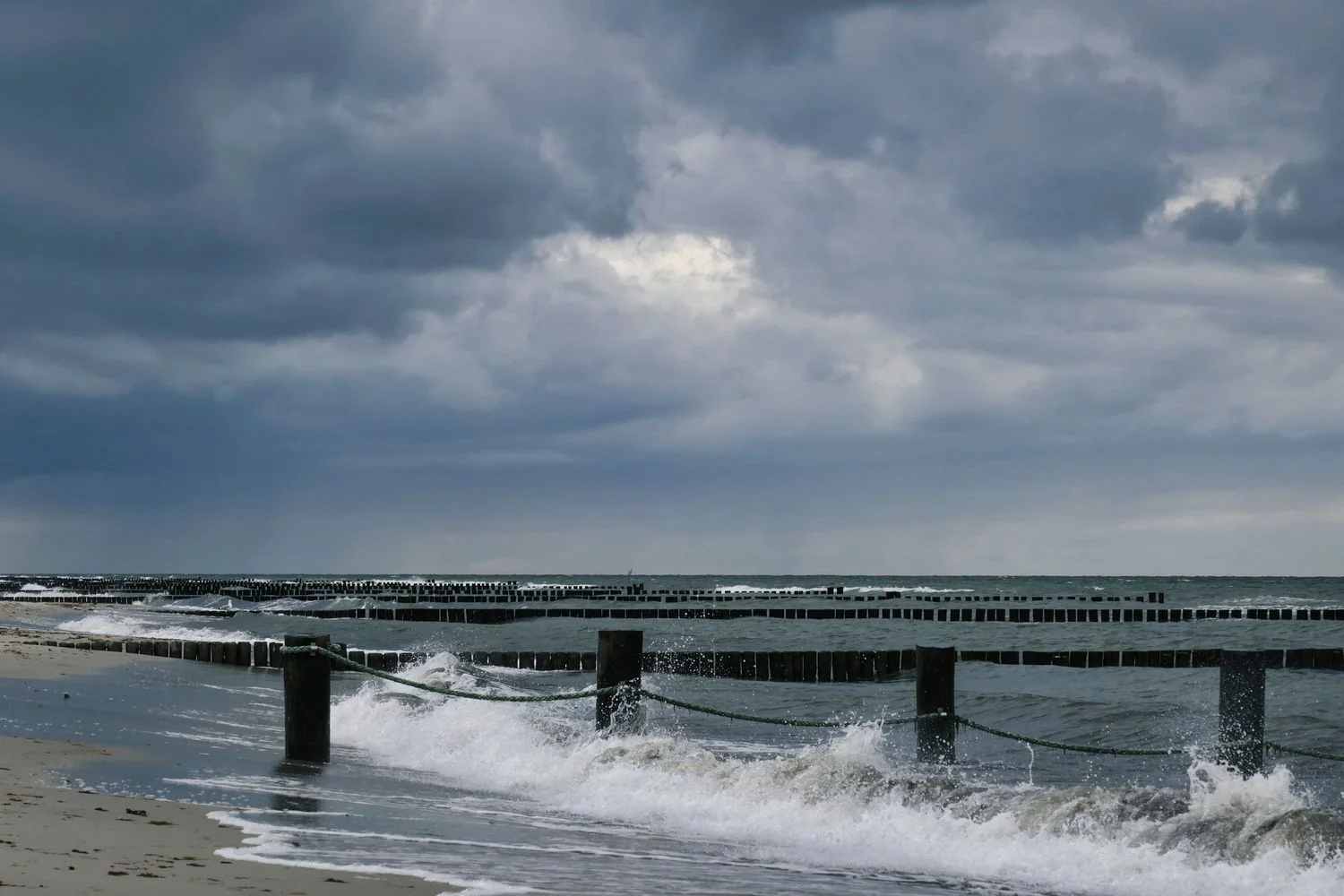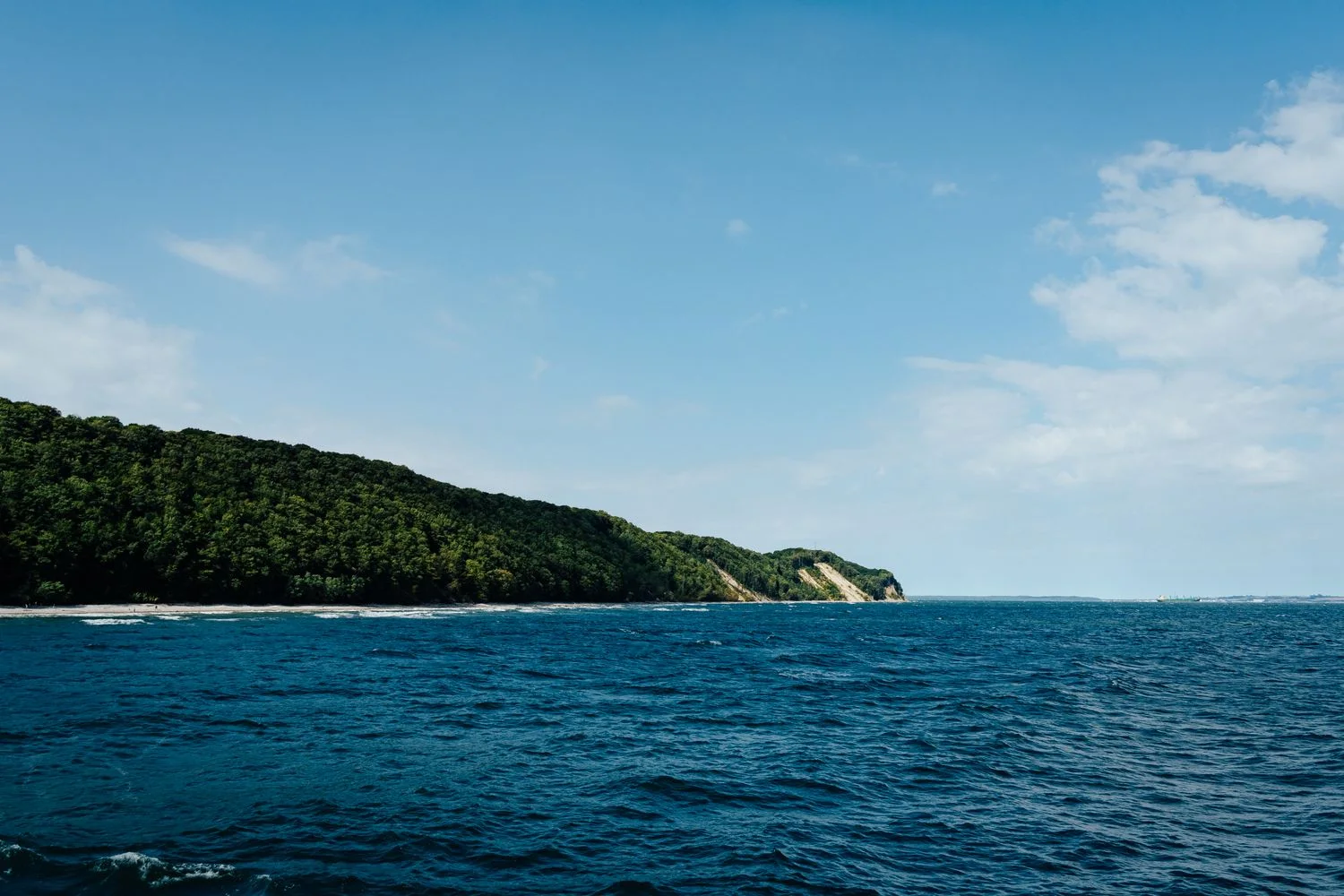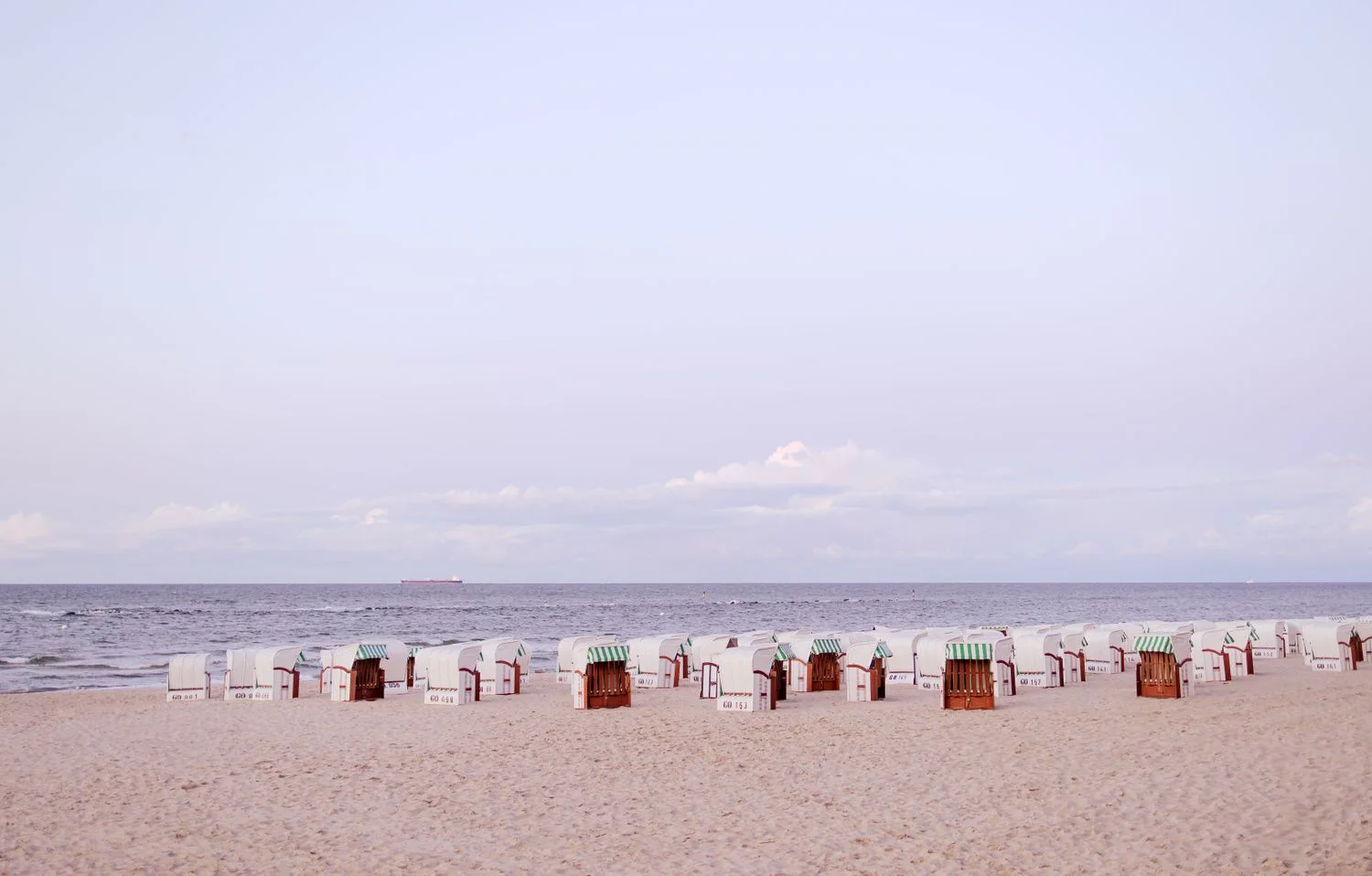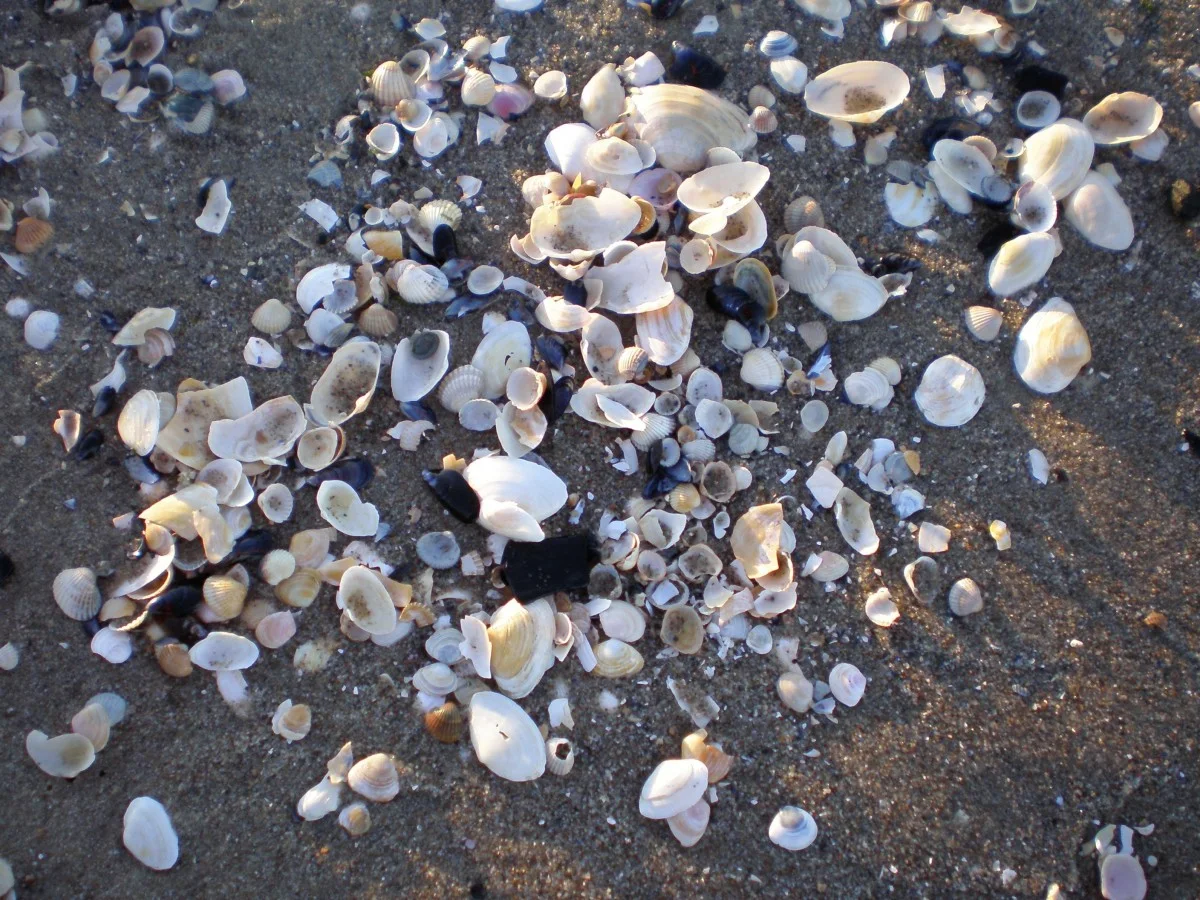
A beach scattered with small stones and shells offers plenty to discover without taking anything back to the accommodation. Comparing shapes, colours and surfaces in place can reveal more than quickly filling a pocket. It also leaves objects within the habitat where you found them.
Choose an observation spot rather than a collecting route
Find a permitted, manageable area away from sensitive vegetation. A small patch is enough to compare smooth and rough surfaces, pale and dark stones or different shell shapes. Do not turn the search into a route through dunes or closed sections. Protected areas may have particular rules, and official visitor instructions take precedence over general assumptions about beach collecting.
With children, an observation task often works better than a contest to find the biggest object. Look for a stone with two colours or a shell with clearly visible lines. Photograph or draw it, then leave it where it was. Avoid moving live creatures or opening shells. Even apparently empty structures can provide shelter for small animals.
Unfamiliar objects are not souvenirs
Not everything washed ashore is natural material. Sharp glass, metal, containers and unidentified lumps should not be picked up with bare hands. Give children a straightforward rule: show an unusual discovery before touching it or putting it in a pocket. If you cannot identify something safely, leave it untouched. For a suspicious object, keep your distance and notify the appropriate local authority.
A magnifying glass allows closer inspection without hitting stones together or breaking off surfaces. Handle it thoughtfully in sunlight and put it away after use. A photograph of the object plus one of its surroundings is enough for a simple record. Later, these images will show whether it was lying among pebbles, in sand or along the strandline.
Finish before observation turns into digging through extensive areas. The strandline is not simply unwanted debris: it can provide food and shelter for wildlife. Leave without building stone towers or disturbing planted areas. Back at the accommodation, sort the photographs together. Questions can become the starting point for a guided nature activity, without claiming a confident species identification for every shell or fragment encountered on the walk.