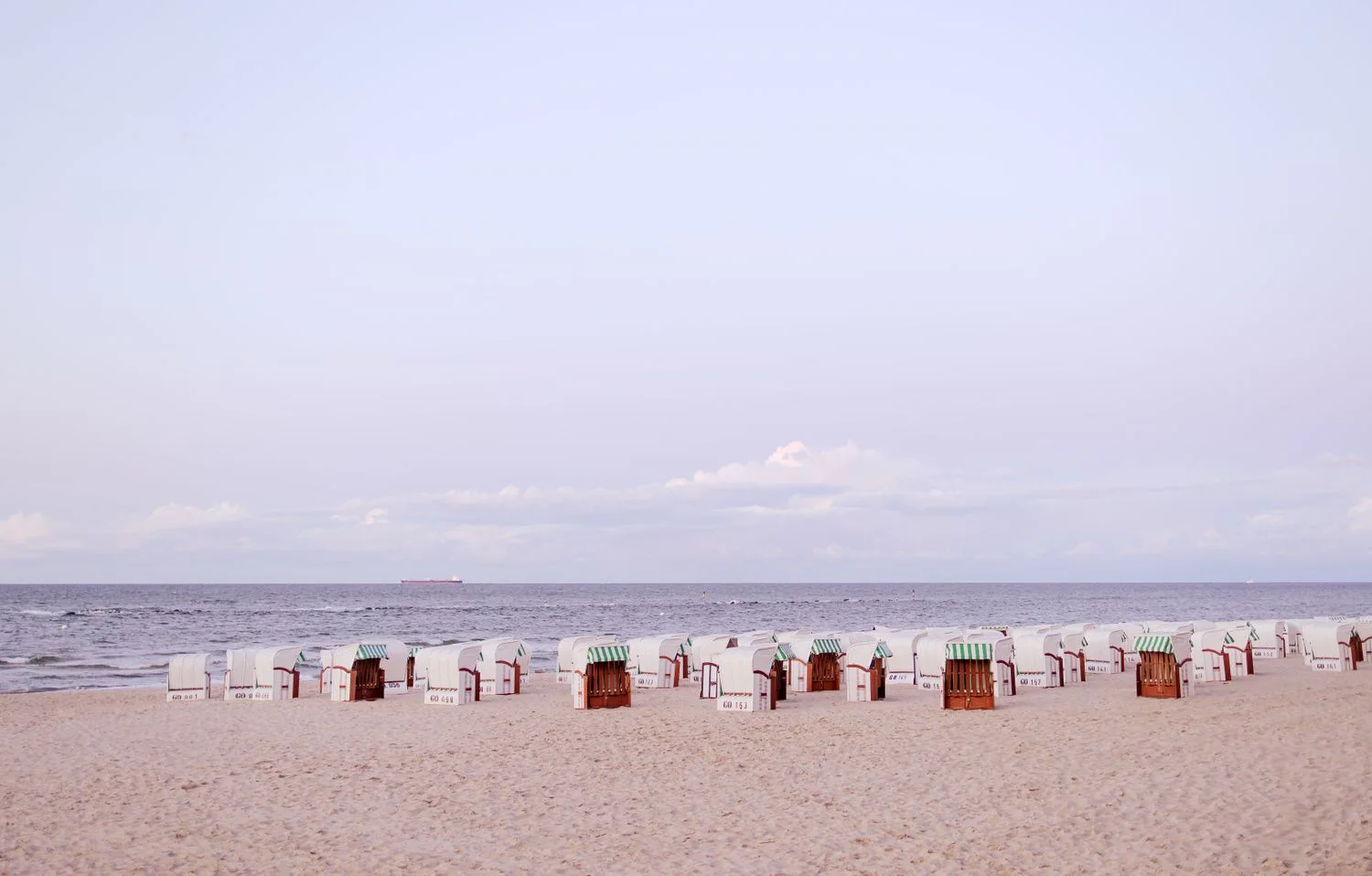
An empty beach in autumn does not automatically mean dogs may run freely everywhere. Along Germany’s Baltic coast, rules differ between municipalities, beach sections and seasons. Protected areas may add their own requirements. Planning an off-season outing therefore takes more than finding a destination described as dog-friendly.
Check the section for your actual date
Search the local tourism information for the name or number of the access point. Look for the permitted area and any seasonal restrictions. Rules from a neighbouring resort cannot simply be carried across. “Low season” and “winter” do not necessarily begin and end on the same dates in every place.
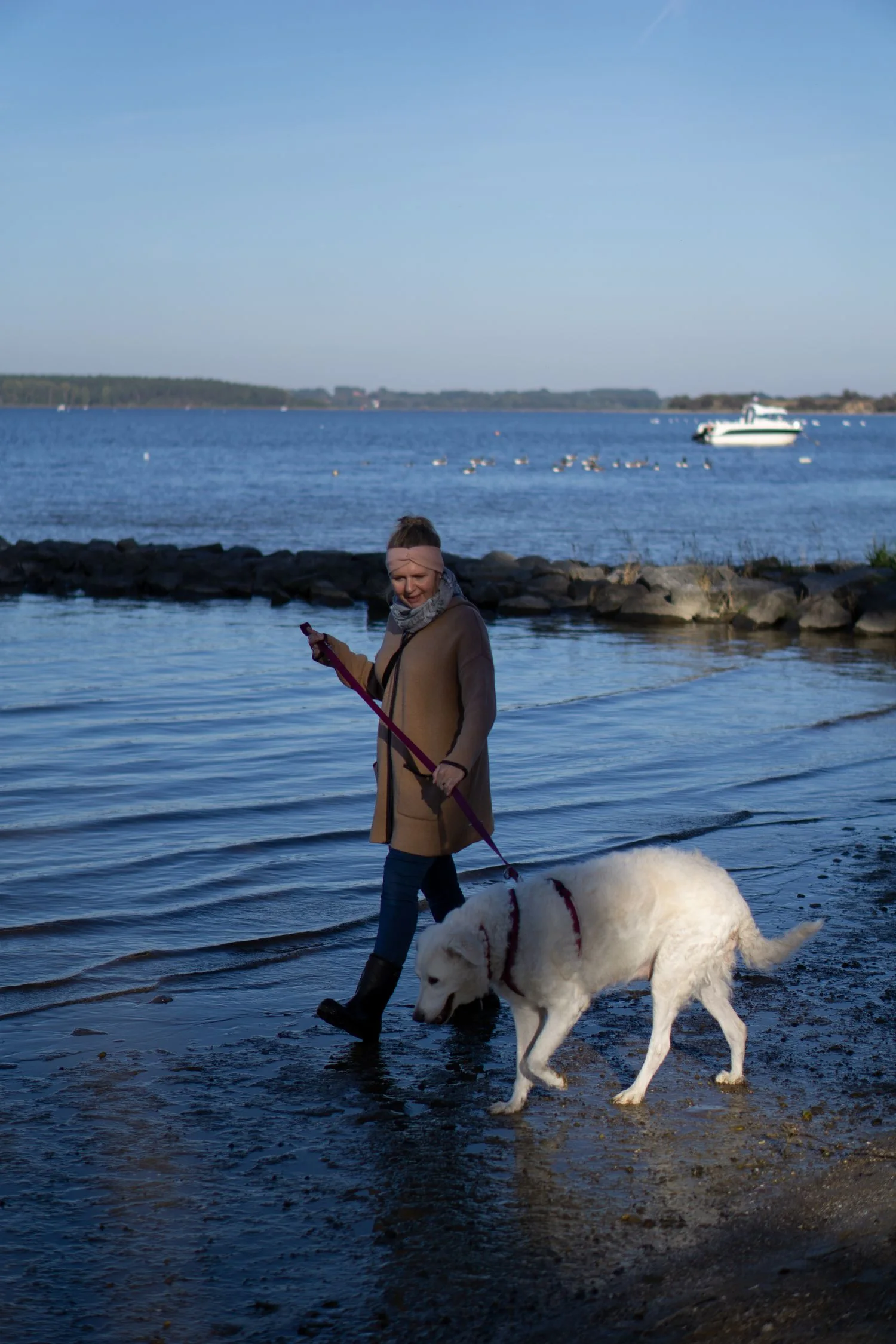
Establish separately whether dogs may enter and whether a lead is required. A dog beach is not automatically an off-lead exercise area. In the Western Pomeranian Lagoon Area National Park, dogs must be kept on leads to protect wildlife. That requirement remains relevant when very few people are around outside the bathing season. Quiet stretches of shore can be especially important resting places for birds.
Plan a walk that suits the conditions
Choose an authorised entrance with a manageable first section. Have the lead, waste bags and water ready before the dog leaves the car. Bring drinking water even on cool days; seawater is no substitute. A dry cover in the vehicle or accommodation makes returning with wet fur and sandy paws easier.
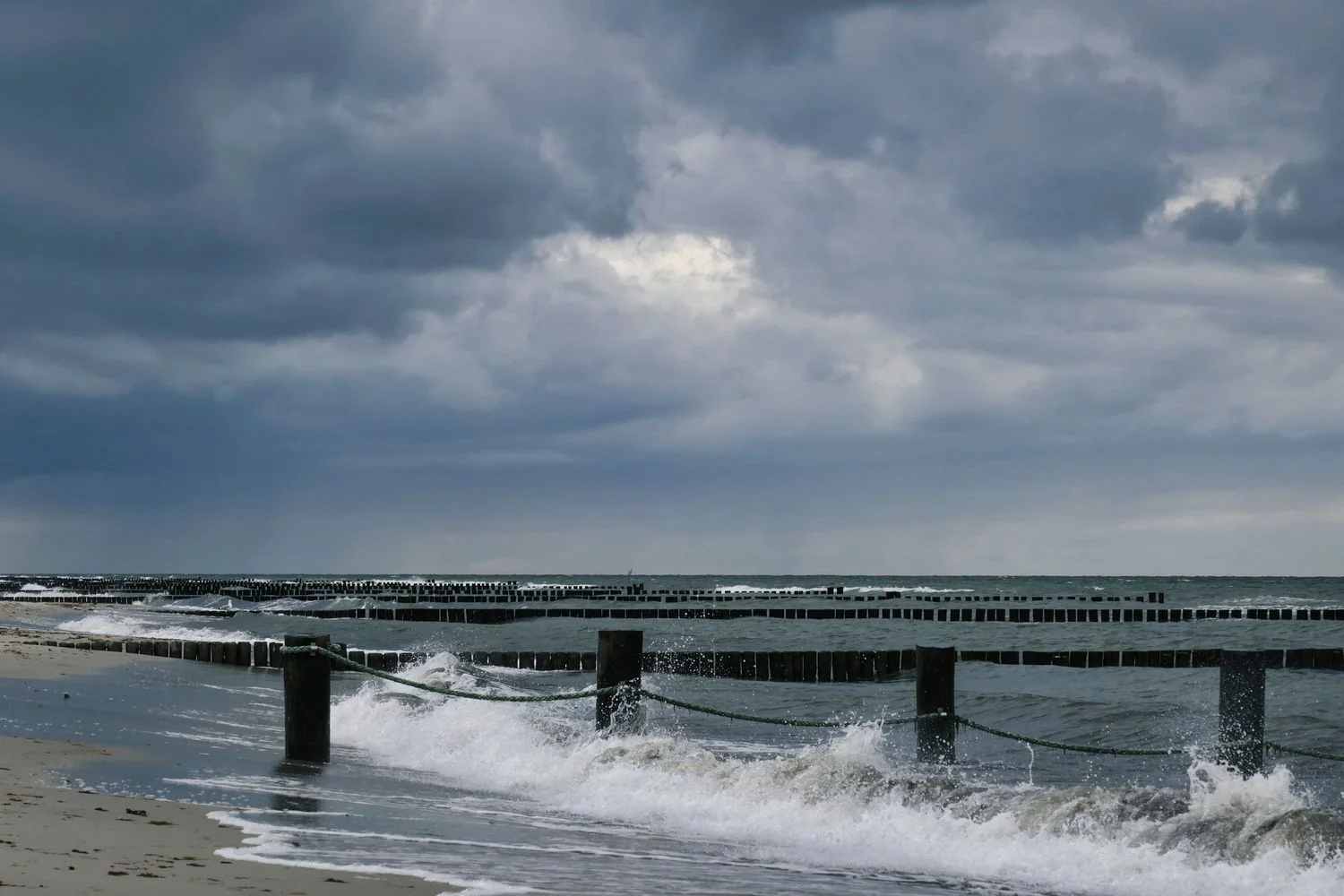
Do not build the whole plan around walking at the water’s edge. Higher water or stronger waves can reduce the usable beach. A promenade is an alternative only where dogs are allowed and the connection can be reached without crossing protected dunes. A closure applies even if a dog could easily squeeze past the barrier.
For a break, a small packed snack is often more dependable than assuming every beach café will be open and admit dogs. Ask in advance about the seating area if a particular café is part of your plan. Give space to other dogs and to people who do not want to be approached. If you notice resting birds or other wildlife, shorten the lead and increase your distance rather than waiting for them to react. Finishing with a comfortable return journey matters more than covering the longest possible stretch of sand.