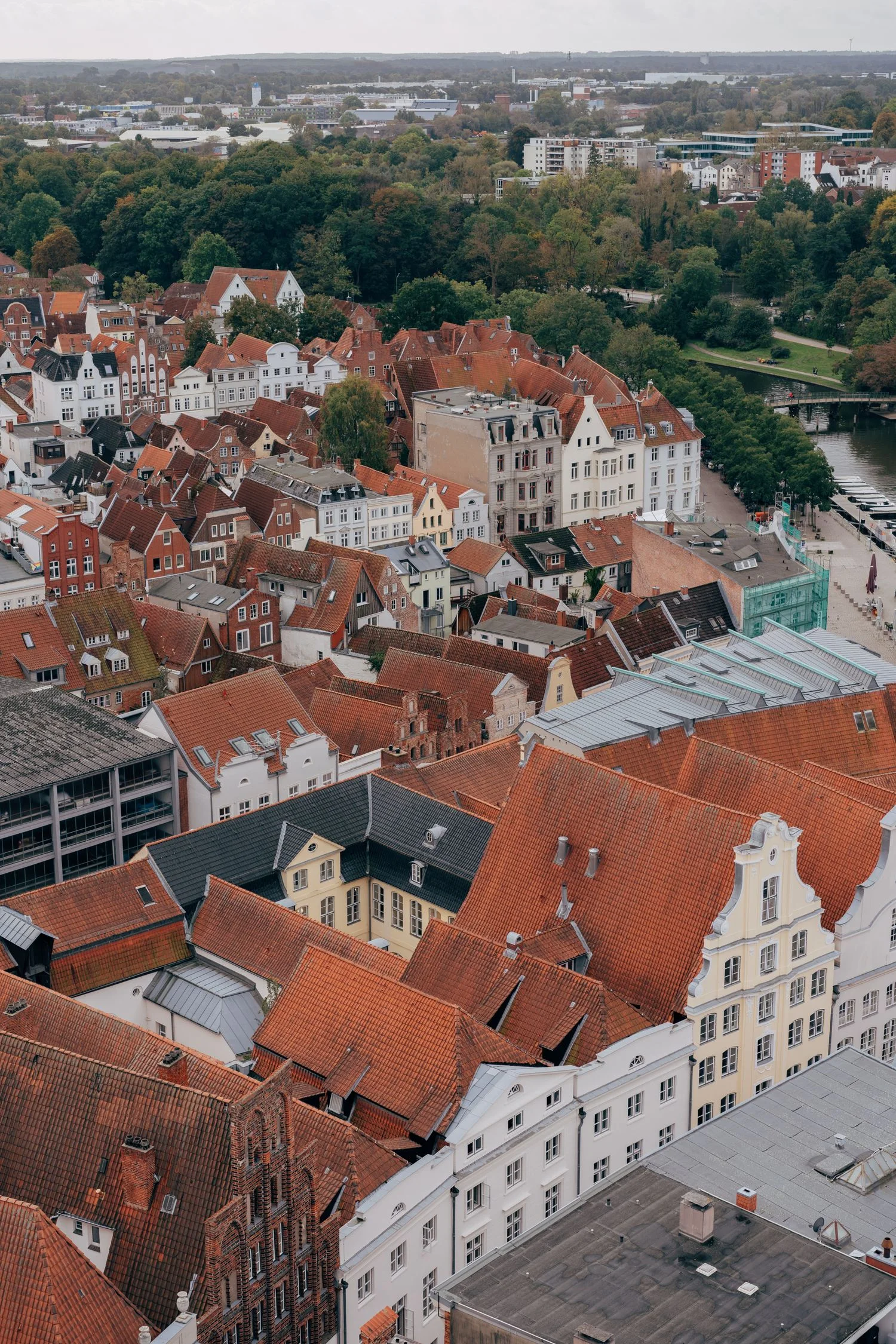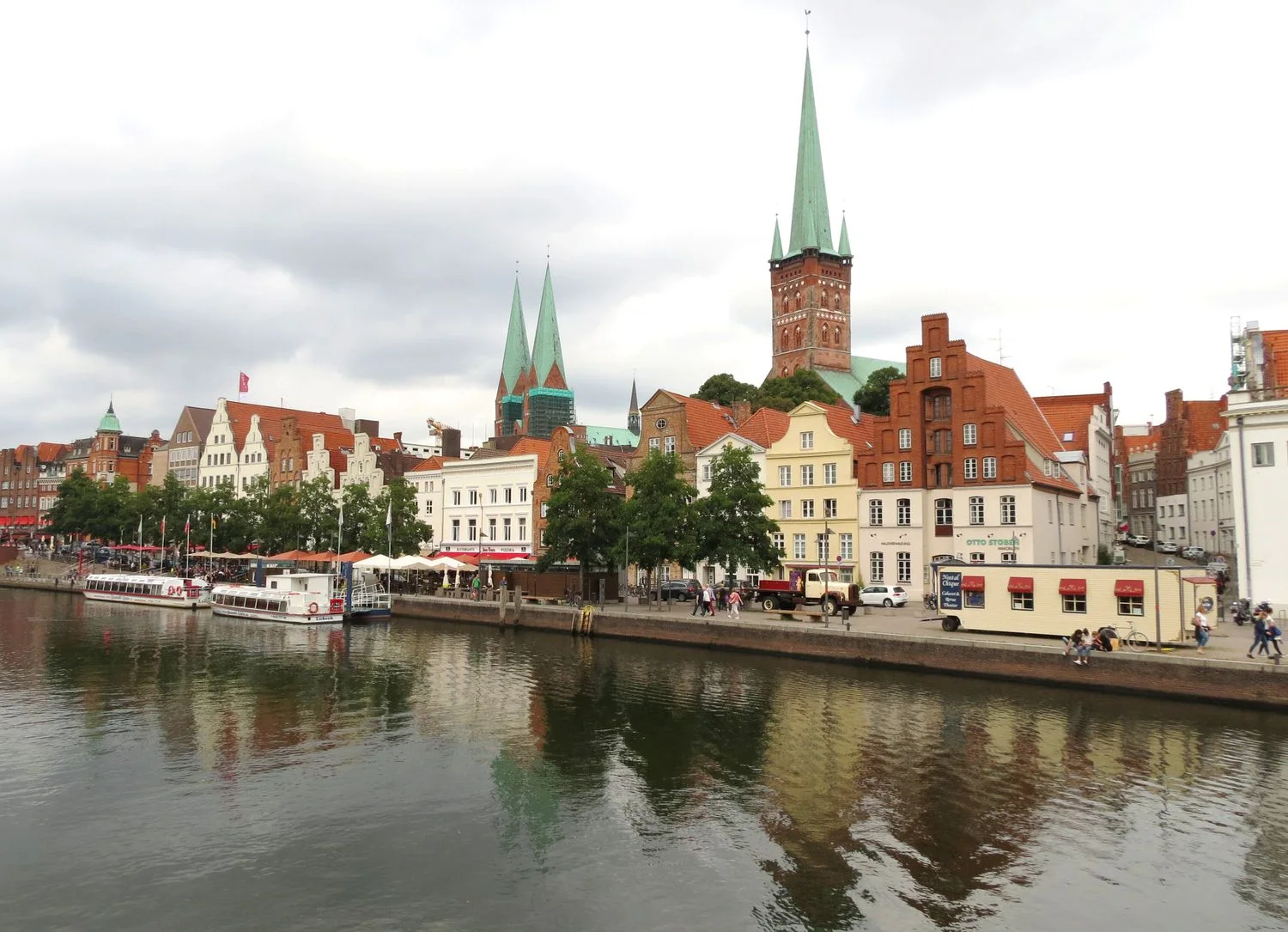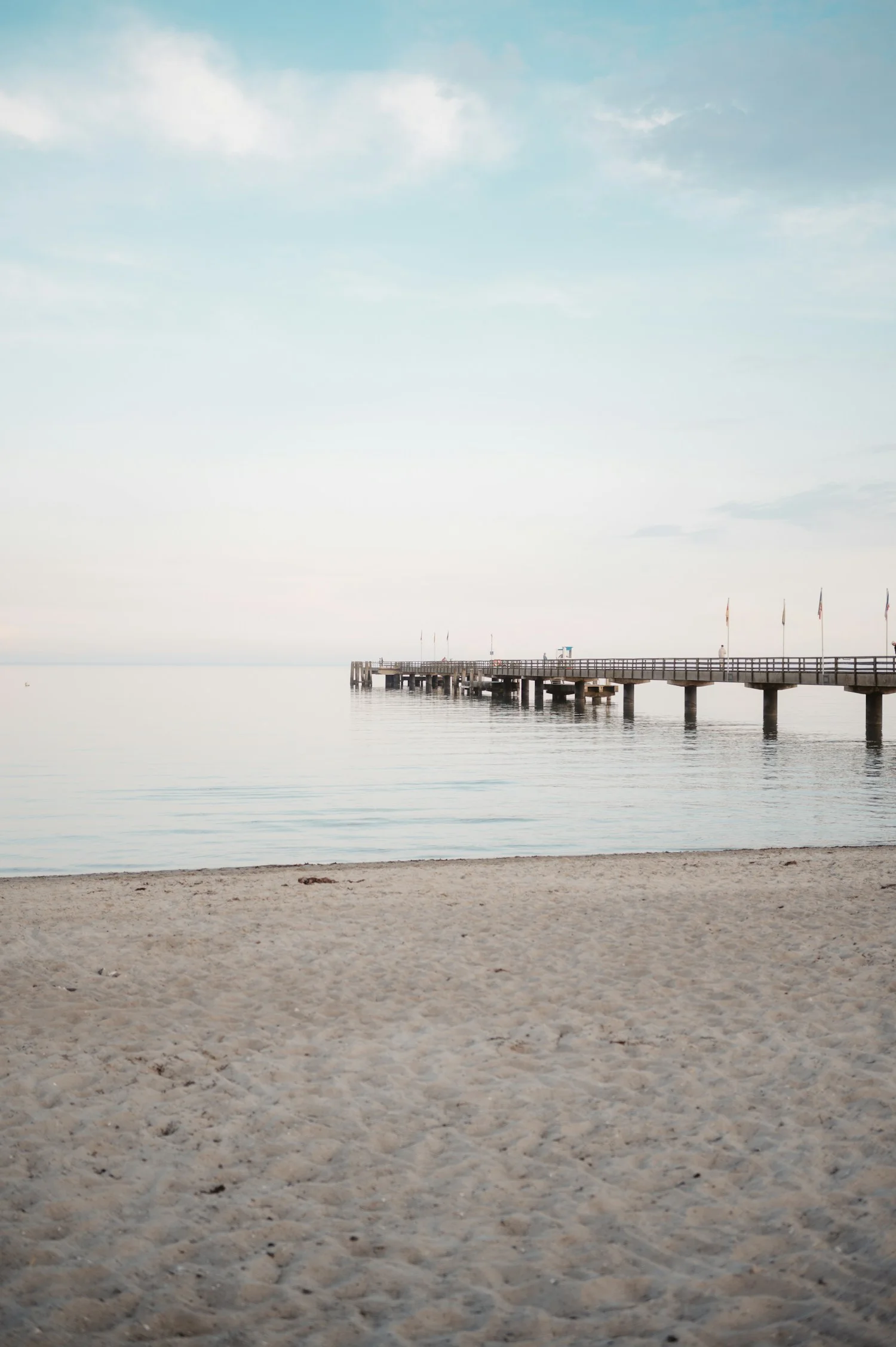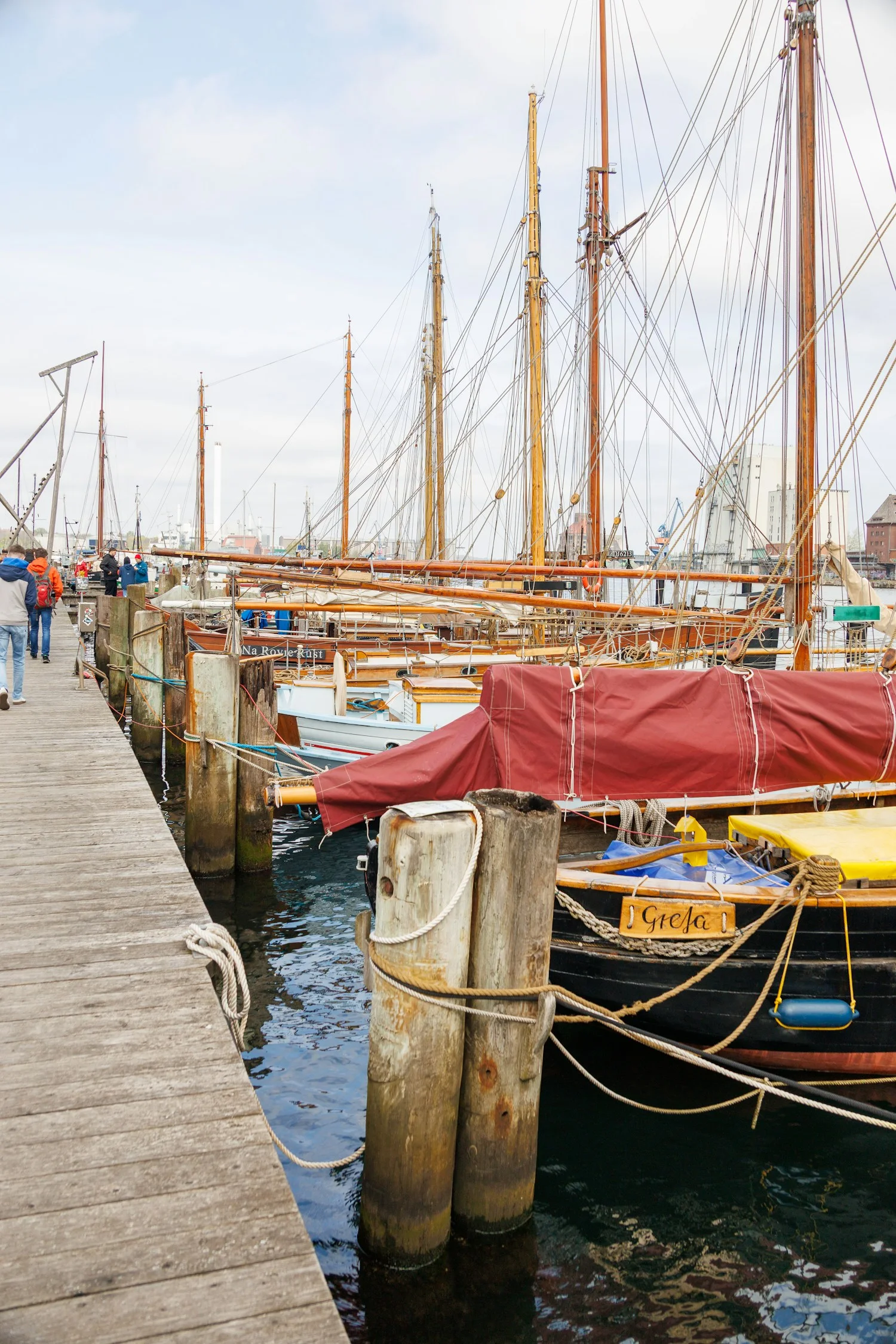
Three days between the Schlei and the open Baltic coast can reveal different waterside landscapes without changing accommodation every morning. One base helps when the chosen destinations fall within a manageable area. This is a planning example rather than a fixed itinerary; adapt it to the actual position of your accommodation.
Understand the base and its crossings first
Mark the property and intended destinations on both sides of the Schlei. Then check which bridges or ferries the journeys require. A short straight-line distance can hide a much longer usable route. For a ferry, operating days, final departures and conditions for your transport mode belong in the plan.
Do not automatically choose accommodation near the geometric centre of your destinations. A place with supplies and a simple return may work better than an apparently central address with awkward access. Without a car, suitable connections carry particular weight; with a car, parking and walking at the destination still matter.
For three days, fix no more than one substantial activity per day. Add small breaks and spontaneous detours afterwards. A fully prescribed schedule removes the chance to use the most pleasant outdoor period when weather changes.
Day one: discover the Schlei through one place
Begin around your base or in one deliberately selected town or village. Schleswig, Kappeln and smaller Schlei communities offer different priorities, so do not choose them all at once. An urban walk may include culture, while a village visit may revolve around a limited waterside route and a longer pause.
Notice which shores are publicly accessible. A waterline on a map is not a continuous walking trail. Private land, vegetation and protected areas can interrupt the route. Stay on clearly permitted paths and accept returning the same way when no suitable circuit exists.
For the first evening, returning to the accommodation for a simple meal is enough. Self-catering travellers should obtain groceries in time. A village setting does not imply supplies are available whenever needed, particularly after a late arrival or outside peak season.
Day two: make a deliberate move to the outer coast
Choose a Baltic entrance that suits the intended activities. A day on sand needs different conditions from a walk along a natural shore. Check access, surfaces and current notices before beginning a longer journey with beach equipment. The Schlei and outer coast are not merely interchangeable water views.
Allow enough time at the chosen place. An extra town visit on the return is useful only if you genuinely want it and have energy left. Going directly back is often more pleasant. The contrast between landscapes becomes clearer when neither is immediately replaced by a third destination.
If the weather is unsuitable, exchange this day with the third. A storm warning is not solved by choosing a different beach entrance. An indoor activity or a quiet day at the base is the more appropriate option then.
Day three: follow one remaining interest
Use the final day for something that caught your attention earlier: a cultural site, another short waterside section or a local walk deliberately left aside. This prevents the third day becoming a collection of as many remaining items as possible.
If departure follows, the destination needs to fit the onward journey. Settle luggage, check-out and final connections before leaving. An extra ferry crossing shortly before a fixed long-distance train is not a sensible time reserve.
You do not need to know the entire region after three days. The value of this approach is experiencing the Schlei and Baltic as different places to spend time while retaining a workable routine at one dependable base.