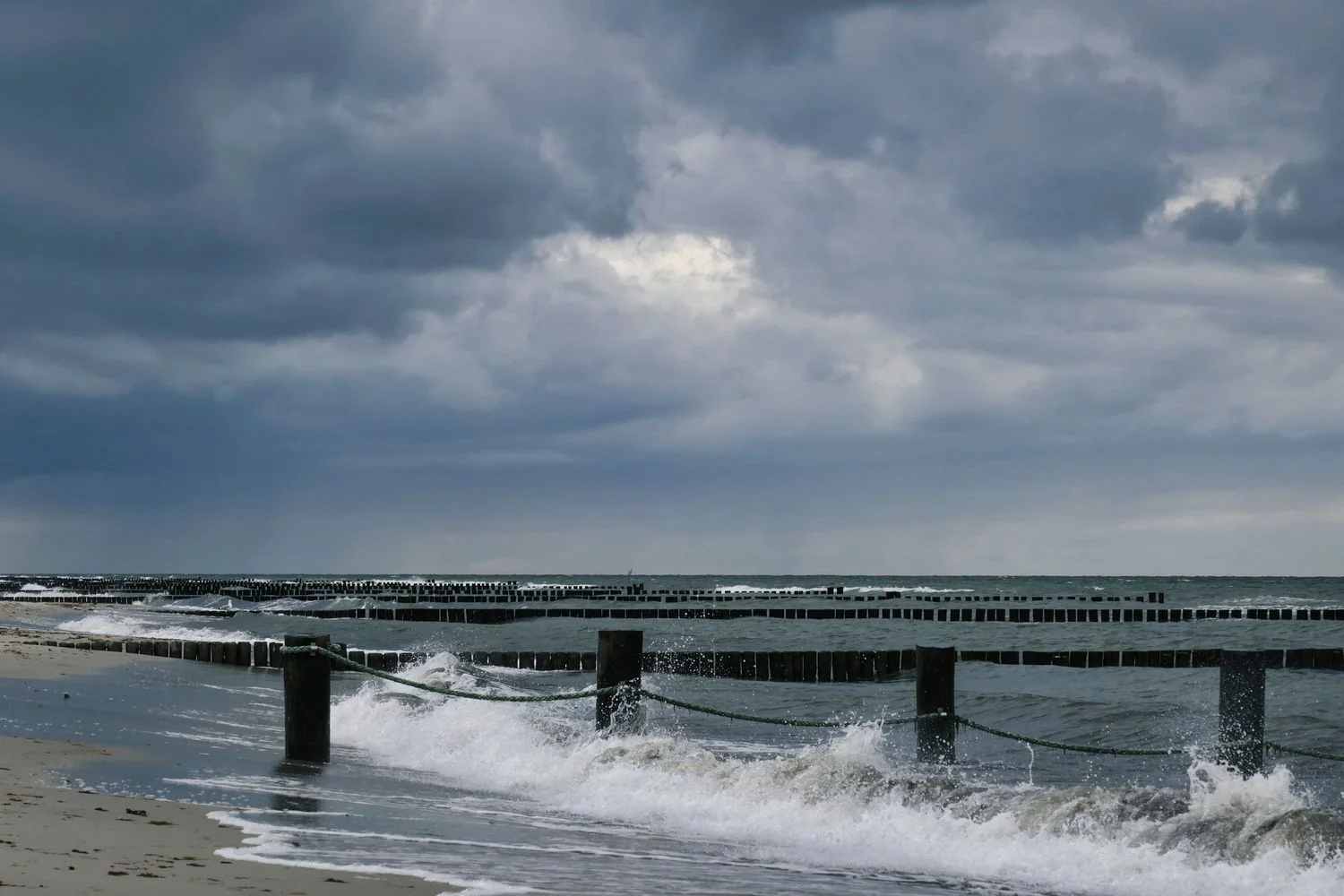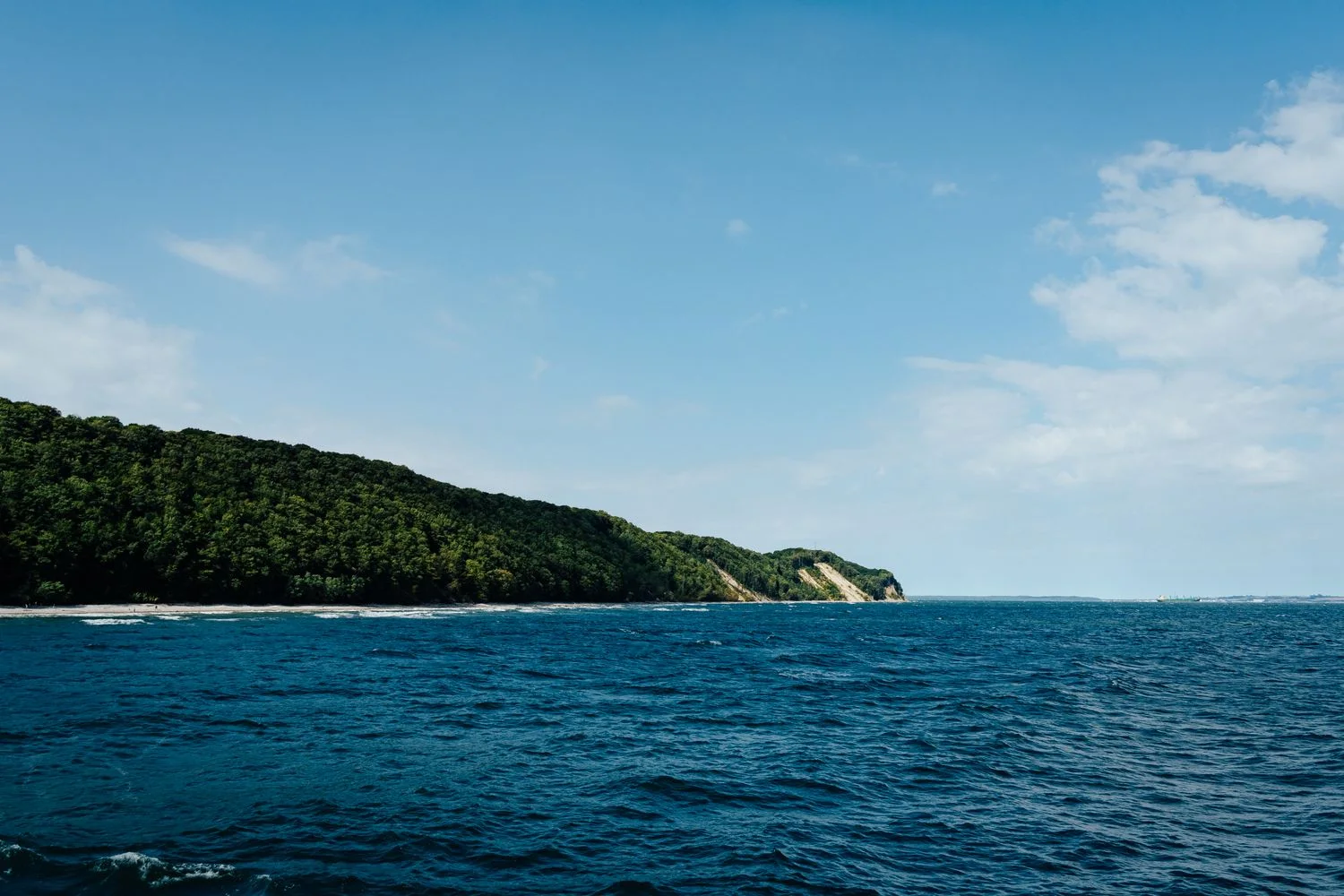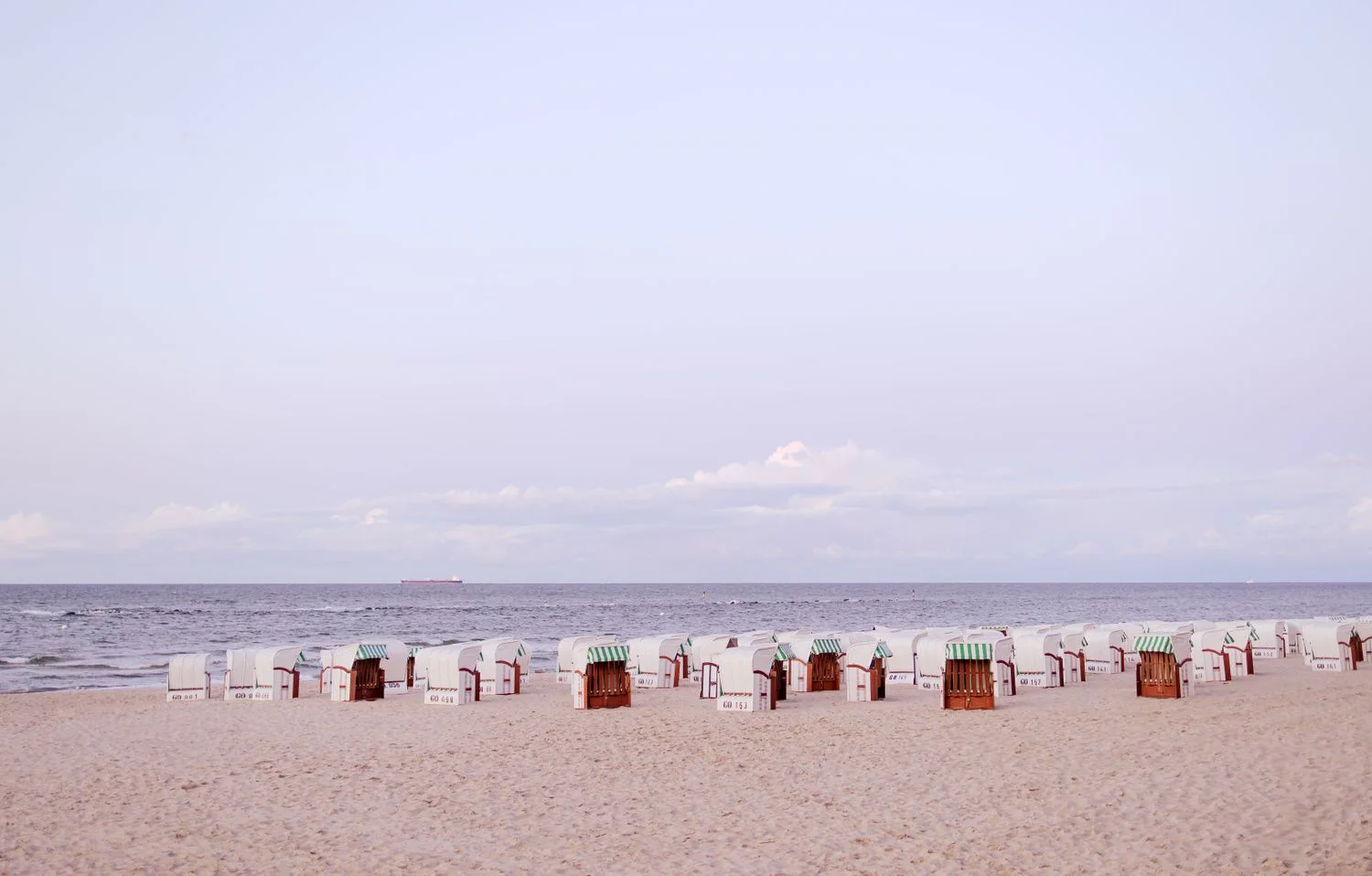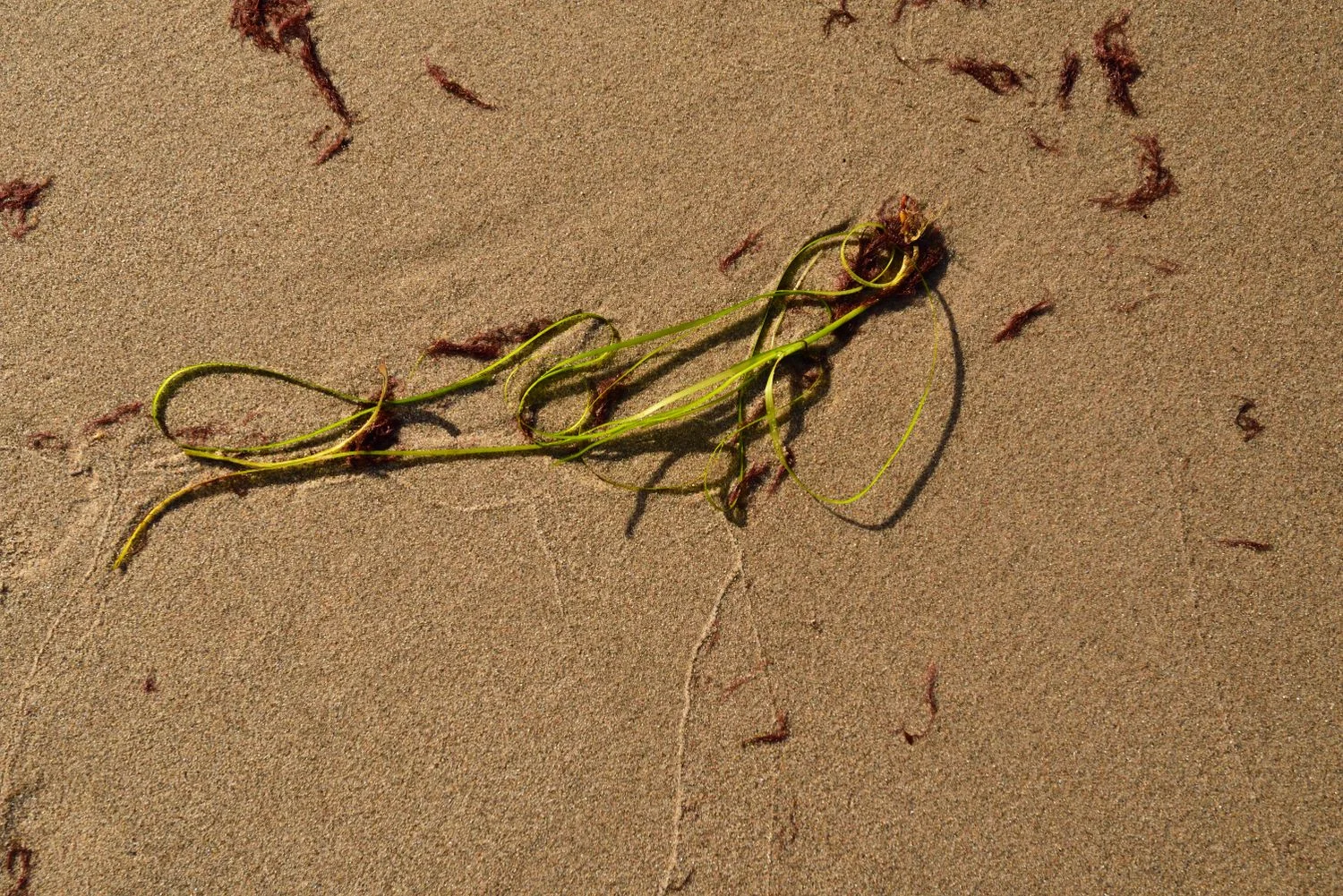
Brown or green plant fragments on the shore are a reason to look more closely, not automatically evidence of a neglected beach. Wind and waves move material out of the water and onto land. For visitors, the useful distinction is between washed-up remains, protected habitats and an official warning about bathing water.
The strandline is part of the coast
Along the reach of the waves, plant fragments, wood and shells may accumulate. This is not simply spare ground to clear for a seat. In natural and protected sections, material remains as part of the habitat. Follow visitor rules rather than expecting every stretch of coastline to resemble a heavily maintained bathing beach.
Choose a permitted section that suits the activity you have planned. Children building in sand need a different place from somebody observing coastal nature. Check the authorised access and intended use instead of pushing vegetation into dunes or adjoining areas. Moving to another suitable beach spot is usually easier than trying to rearrange the shore.
Do not diagnose water quality from a photograph
Seagrass and algae are different organisms, but identifying washed-up fragments is not always straightforward. Planning a day out does not require a confident species identification. Photograph interesting shapes if you would like to discuss them during a nature activity later. Avoid unnecessary handling of unfamiliar material and prevent children or dogs from putting it in their mouths.
Warnings about problematic water conditions are explained by the responsible local services and notices at the bathing site. Colour, smell or a single photograph is insufficient. Respect bathing prohibitions and ask when unsure rather than assuming a clean-looking neighbouring patch provides an all-clear. Even where plant material is only along the edge, the swimming decision still depends on flags, waves and supervision.
For observation, take a short walk on an authorised path overlooking the strandline. Give space to birds feeding there and keep dogs on leads wherever required. This turns an apparent inconvenience into something to notice during the visit. Afterwards, select a suitable permitted place for a picnic or swim without modifying the natural section to accommodate your plans. A beach can fulfil different purposes along its length, and understanding those differences is more useful than expecting uniform conditions everywhere.